Rust is a major concern for manufacturers and shippers of metal parts. Corrosion can damage valuable components, leading to costly replacements, safety risks, and dissatisfied customers. One of the most effective ways to prevent rust during storage and transportation is by using VCI (Vapor Corrosion Inhibitor) paper—a clean, safe, and easy alternative to messy oils or greases.
What is VCI Paper and How Does It Work?
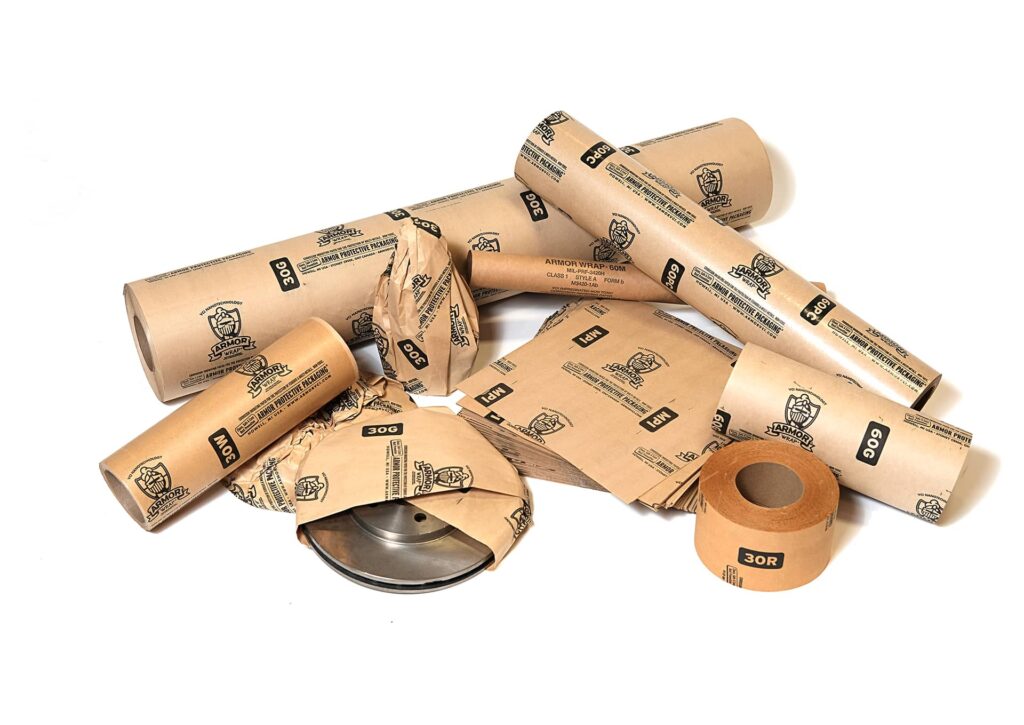
VCI paper is made from Kraft paper infused with Vapor Corrosion Inhibitors (VCIs) creating a packaging material that prevents rust on both ferrous and non-ferrous metals. The VCI releases its rust-inhibiting vapors into confined spaces such as storage crates or shipping containers, forming a protective shield on the surface of metal parts that blocks moisture, oxygen, and other rust-causing contaminants
Not only is VCI paper clean, safe, and easy to use, but it is also highly effective. Unlike many traditional rust prevention methods, it contains no oils, greases, or chemical solvents, making VCI paper a preferred dry rust prevention solution. Additionally, it meets REACH and RoHS requirements and is both recyclable and repulpable, providing an environmentally friendly option to keep your metal parts rust-free during storage and transportation.
To maximize the performance of your rust prevention packaging, it’s important to use VCI paper correctly. Follow these expert tips to get the most out of your rust prevention packaging paper throughout storage and shipment.
Tough, cost-effective VCI paper for any metals
Shop VCI paper >
6 Ways to Get the Most Out of Your VCI Rust Prevention Packaging Paper
1. Store VCI Paper Properly

VCI paper doesn’t last forever and it can lose its potency if not stored properly. To maintain the effectiveness and longevity of your VCI packaging paper, follow these key storage tips:
- Keep in a cool, dry place: Store VCI paper at temperatures between 40°–110°F (5°–43°C) and away from high humidity.
- Seal in airtight packaging: Place rolls or sheets in sealed plastic bags or airtight containers to prevent exposure to air and moisture, which can degrade VCI compounds.
- Protect from direct sunlight: Keep VCI paper away from UV light, as it can break down its rust-preventing properties.
- Limit handling: Excessive handling can wear off corrosion inhibitors and reduce effectiveness.
2. Fully Wrap and Seal Metal Parts for Maximum Protection
VCI paper releases protective vapors that attach to the surface of metal, forming a protective shield to prevent corrosion. For maximum rust protection, metal parts must be completely wrapped and sealed in VCI paper. Follow these best practices to ensure proper wrapping:
- Full Coverage: Completely wrap metal parts in VCI paper, ensuring there are no gaps or exposed areas to prevent corrosion.
- Overlap for Large Items: For larger metal parts, overlap the VCI paper to create a continuous protective barrier against moisture and corrosion.
- Secure Edges: Seal all edges with tape, bands, or heat-sealable plastic to block moisture and contaminants.
3. Combine VCI Paper with Airtight Containers or Plastic Bags
While VCI paper provides an excellent first layer of defense, combining it with other protective materials can enhance rust prevention, especially for long-term storage, shipping in humid or moist environments, or outdoor storage. Rust and corrosion form when metals come into contact with moisture and oxygen, which is why airtight containers are crucial in stopping corrosion.
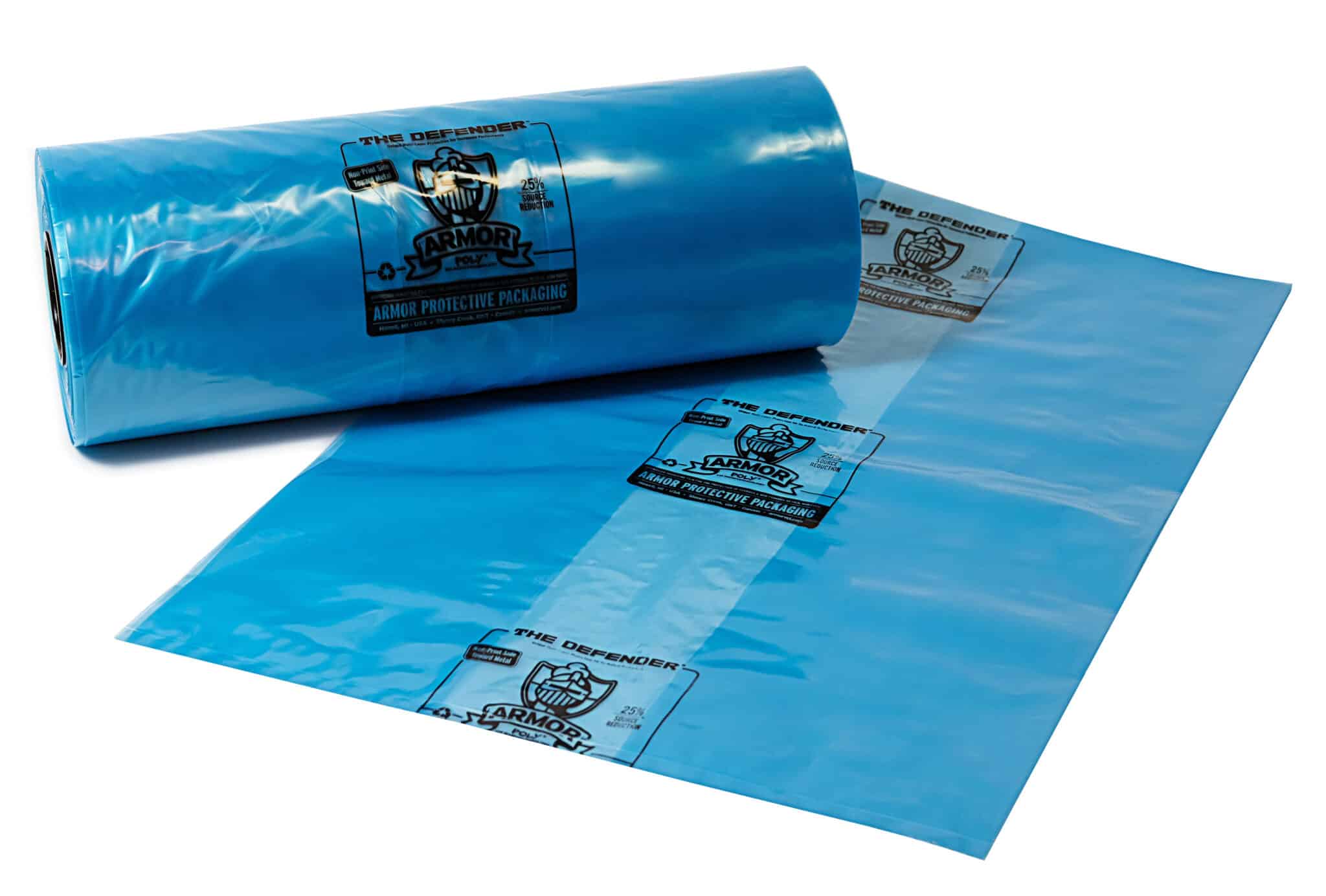
- Place VCI-wrapped metal parts inside airtight plastic bags to preserve the corrosion-inhibiting vapors.
- For added moisture protection, use vacuum-sealed or resealable bags.
- For bulk shipments, place wrapped metal parts inside sealed crates or plastic bins to maintain the rust-preventing vapors.
4. Avoid Direct Contact with Contaminants

In order for VCI to effectively protect metal parts, its rust-preventing vapors must come into direct contact with the metal surface to form a protective layer or shield. However, if the surface is covered with dust, dirt, oil, or other contaminants, the VCI’s effectiveness is diminished. VCI packaging paper works best when metal surfaces are clean and free of contaminants. Before wrapping or enclosing metal parts in VCI paper, make sure the metal is free of:
- Dirt, grease, or oils: These can block the VCI from bonding to the metal surface, reducing the effectiveness of its rust protection.
- Salts and fingerprints: These contaminants introduce corrosive elements that can accelerate rusting.
To maximize the effectiveness of VCI packaging, wipe down metal parts with a clean, dry cloth and wear cotton gloves when handling them to prevent transferring moisture or other contaminants.
5. Replace VCI Paper at the Right Time
While VCI paper has a long shelf life and offers prolonged protection, its effectiveness diminishes over time. To maintain optimal rust protection, it’s important to replace VCI paper when necessary and dispose of or recycle damaged paper. Here’s when to consider replacing your VCI paper:
- For short-term storage (weeks to a few months): Standard VCI paper provides effective protection.
- For long-term storage (6+ months): Replace VCI paper periodically or opt for heavier-duty options like wax or poly-coated ARMOR WRAP® to increase protection against moisture, grease or oils, or ARMOR WRAP® SCRIM VCI paper, which is reinforced for added durability, tear resistance and can protect your items for up to 3 years!
Reusing VCI Paper:
Reusing VCI paper is not recommended due to several factors: VCI chemicals volatilize over time, exposure to the environment can diminish its effectiveness, it’s difficult to track how long it has been in use, and reused paper may transfer contaminants to metal parts. Always check for signs of wear, moisture, or depletion. For the best protection, replace VCI paper after each use.
6. Avoid VCI Loss: Don’t Let Packaging Absorb the Inhibitors
VCI paper is specifically designed to protect metal surfaces by releasing rust-preventing molecules. However, when VCI paper comes into contact with certain porous materials, such as cardboard or fabric, these materials can absorb VCI’s rust-inhibiting vapors, reducing their ability to shield metal from corrosion. Follow these guidelines when packaging metal parts in VCI paper with absorbent materials:
- Always wrap metal parts in VCI paper first before placing them inside boxes, on foam padding, or other absorbent materials.
- Avoid contact with absorbent materials like cardboard, fabric, or foam, as they can absorb VCI and reduce the paper’s effectiveness.
- When porous materials are included in packaging, place a layer of plastic film or other non-absorbent material between the porous materials and the VCI paper to prevent the absorption of VCI.
By keeping VCI paper in contact with metal and minimizing exposure to absorbent materials, you preserve its rust-preventing effectiveness.
VCI paper is one of the most effective and hassle-free ways to prevent rust for metal parts and components when used correctly. Follow these tips to maximize its effectiveness and avoid costly damage due to rust. Take a look at our ARMOR Stock & Ready™ store for fast VCI paper delivery, or have your rust prevention questions answered using our ASK JERRY interactive tool.