Salt, rust, weathering, and other environmental factors can wear down even the strongest materials over time. Saltwater, in particular, accelerates the corrosion process of metal, causing it to degrade and weaken. Slowing or preventing saltwater damage is possible with the proper prevention strategies. Here are several effective methods to prevent saltwater corrosion.
Rust and Saltwater
Rust, or iron oxide, forms when metal reacts with oxygen in the presence of water. This process, called oxidation, gradually eats away at the metal, causing it to weaken. Saltwater accelerates rust formation because it conducts electricity more effectively than freshwater.
Electrons move more easily through saltwater, and as the electrons move away from the metal atoms, the metal breaks down, forming rust. This effect also makes it easier for electrons to move away from uncorroded areas of the metal, causing rust to spread faster than it would in freshwater. Understanding this basic process can help you to apply strategies to prevent saltwater corrosion and protect your items in any environment.
6 Ways to Prevent Saltwater Corrosion
1. Shelter and Environmental Control
One of the best ways to prevent saltwater corrosion is to protect your metal parts or other items from exposure. Limiting contact between saltwater and metal reduces the risk of accelerated corrosion and the damage that results.
- Protective Enclosures: Whenever possible, shield or enclose metals parts and equipment in protective covers, such as plastic housings, rust-resistant coatings, waterproof casings, or by simply storing them indoors. This helps protect components from direct saltwater exposure and decreases the likelihood of corrosion.
- Install Physical Barriers: For larger metal parts, machinery, or structures, installing wind barriers or shields can minimize saltwater spray and reduce contact with metal surfaces. Coastal properties and marinas often use these barriers to protect vulnerable areas from corrosive environments.
2. Desiccants and Vapor Corrosion Inhibitors (VCIs)
For enclosed areas, using desiccants and VCIs can help not only shield from saltwater but also absorb moisture and inhibit corrosion.
- Desiccants: Silica gel and other desiccants help absorb moisture inside sealed packaging, storage bins, or shipping containers. By maintaining a dry environment, desiccants prevent humidity and excess moisture buildup, which accelerate the corrosion process.
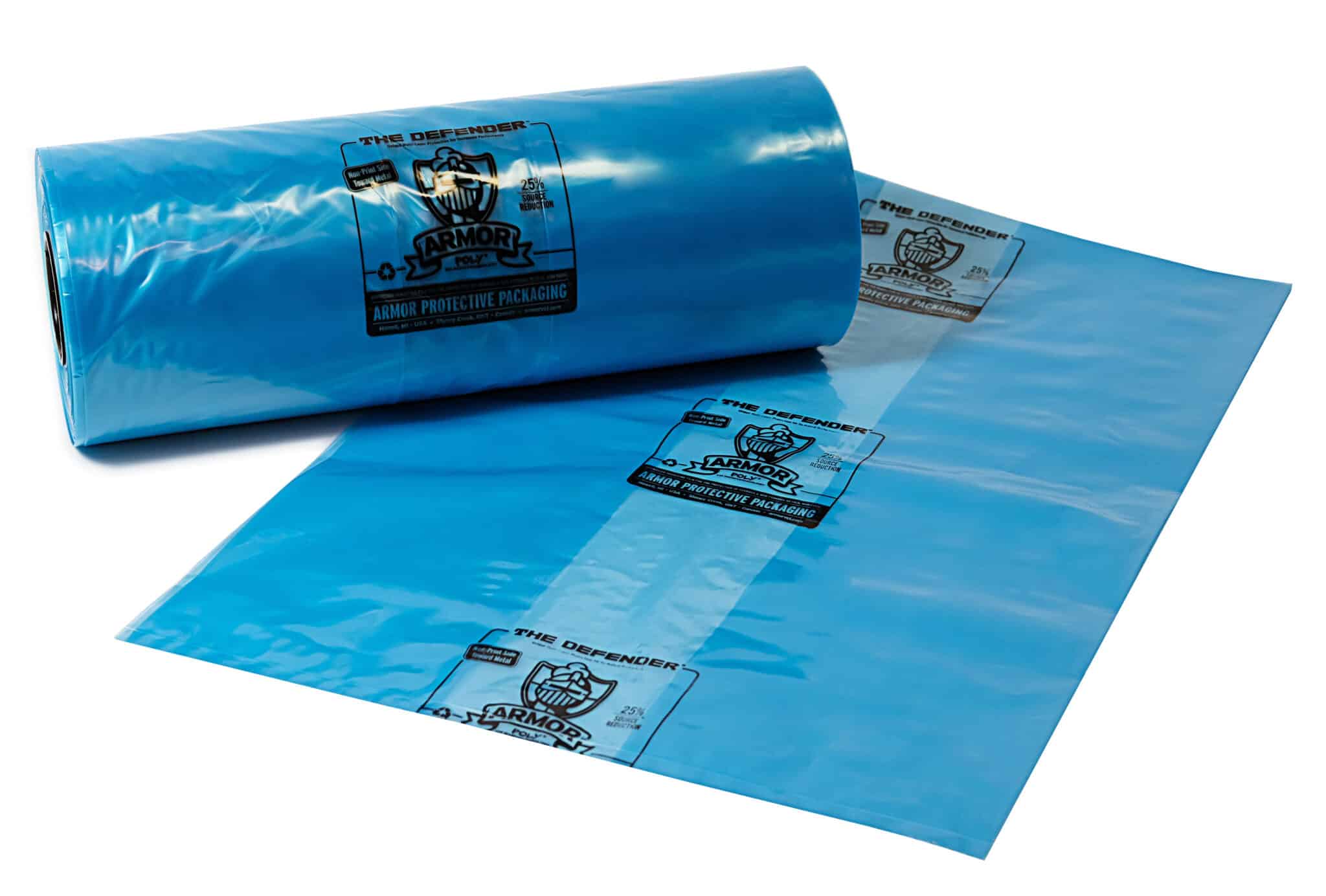
- VCI Paper and Packaging: Vapor Corrosion Inhibitors (VCIs) release rust-preventing vapors that form a protective barrier on metal surfaces, repelling moisture and salt. VCI products are ideal for storing or shipping metal parts in salty or humid environments, helping to prevent corrosion in long-term storage or transit.
Shop desiccants >>
Shop VCI >>
3. Protective Coatings
Applying protective coatings to metal surfaces can also help prevent saltwater corrosion. Coatings create a barrier between the metal and the elements, reducing direct exposure to moisture and salt.
- Powder Coating: Powder coatings cover the metal in a tough, even layer that protects against scratches and salt exposure.
- Paint: Marine-grade paints, specially formulated to resist saltwater, can protect metals from corrosion.
- Grease and Lubricants: Regularly applying a thin layer of grease or oil on metal surfaces helps repel moisture and minimize corrosion. While grease might not be suitable for every application, it can work well for moving parts and equipment used in saltwater environments.
4. Corrosion-Resistant Materials
While all metals corrode, not all metals rust at the same rate—some metals corrode more slowly than others. Choosing corrosion-resistant materials from the outset is an excellent long-term rust prevention method.
- Stainless Steel: Known for its resistance to rust, stainless steel is often a preferred choice in saltwater environments. It contains chromium, which forms a protective layer on the surface that helps resist corrosion.
- COR-TEN Steel: Also known as weathering steel, COR-TEN is designed to form a stable, rust-like appearance after initial exposure to the elements, creating a protective layer that reduces the depth and spread of further corrosion. It’s commonly used in coastal structures and bridges.
- Aluminum and Titanium: Both of these metals have naturally high resistance to corrosion and are less susceptible to rust than iron or steel. Aluminum forms a protective oxide layer, while titanium offers exceptional resistance to saltwater.
5. Regular Cleaning and Maintenance
Saltwater residue left on metal surfaces continues to accelerate rusting over time, so regular maintenance helps reduce saltwater corrosion.
- Frequent Rinsing: Rinse metal surfaces regularly with fresh water to remove salt deposits, especially after heavy exposure. This is particularly important for marine vessels, trailers, and metal structures near the coast.
- Anti-Corrosion Treatments: Anti-corrosion sprays and rust inhibitors can be applied to metal surfaces to add an extra layer of protection. These treatments are especially useful for hard-to-reach areas and small components prone to rust.
6. Anodizing and Galvanizing
Both anodizing and galvanizing are surface treatments that improve a metal’s resistance to corrosion.
- Anodizing: Used mainly on aluminum, anodizing involves an electrochemical process that thickens the oxide layer on the metal, enhancing its resistance to saltwater and other corrosive agents.
- Galvanizing: Steel can be galvanized by coating it with a layer of zinc, which helps protect it from saltwater corrosion. Over time, the zinc layer corrodes first, offering sacrificial protection for the metal beneath it.
These methods can effectively mitigate the impact of saltwater corrosion on metal parts, machinery, and structures. While no solution can completely stop the process, consistent maintenance and the use of appropriate materials and treatments can significantly extend the lifespan of equipment and prevent costly repairs or the need to scrap parts entirely. To learn more about corrosion prevention products, take a look at our online store.