 Protecting metal parts, tools, and machinery from rust is essential for extending their lifespan. However, traditional rust-prevention methods—such as oils, greases, or harsh chemicals—can negatively impact the environment. Fortunately, eco-friendly alternatives are available that effectively reduce corrosion while minimizing environmental harm.
By choosing an environmentally friendly rust prevention option—whether it involves lowering carbon emissions, reducing plastic use, or utilizing safer materials—you help make your immediate surroundings and the planet a little bit safer and healthier. With the right approach, you can protect both your metal parts and the planet. Let’s take a look at a few smart and sustainable ways to prevent rust.
7 Environmentally Friendly Ways to Prevent Rust
1. VCI Paper: Corrosion Protection Made From A Renewable Resource

VCI (Vapor Corrosion Inhibitor) paper is a sustainable rust prevention method made from Kraft paper, derived from wood—a renewable resource replenished through responsible forestry practices. Infused with vapor corrosion inhibitors, the paper releases protective vapors when wrapped around or used to enclose metal parts. These vapors form an invisible layer on metal surfaces, repelling moisture and other corrosive elements. Not only is VCI paper easy to use and effective, it is also recyclable and biodegradable (except when wax- or poly-coated).
- Best for: Protecting tools, machinery components, or parts during shipping and storage.
- Eco-Friendly Advantage: Made from renewable resources, VCI paper is recyclable and biodegradable (excluding wax- or poly-coated versions). It reduces waste, eliminates harmful greases and oils, and provides a safer, more sustainable alternative for rust prevention.
ARMOR Cares About Being Green!
We are prioritizing using recycled content, responsibly sourced paper, and simply using less to create a greener tomorrow!
Download our green brochure to see how we’re doing!
2. VCI Poly Film: Recyclable and Made with Recycled Content
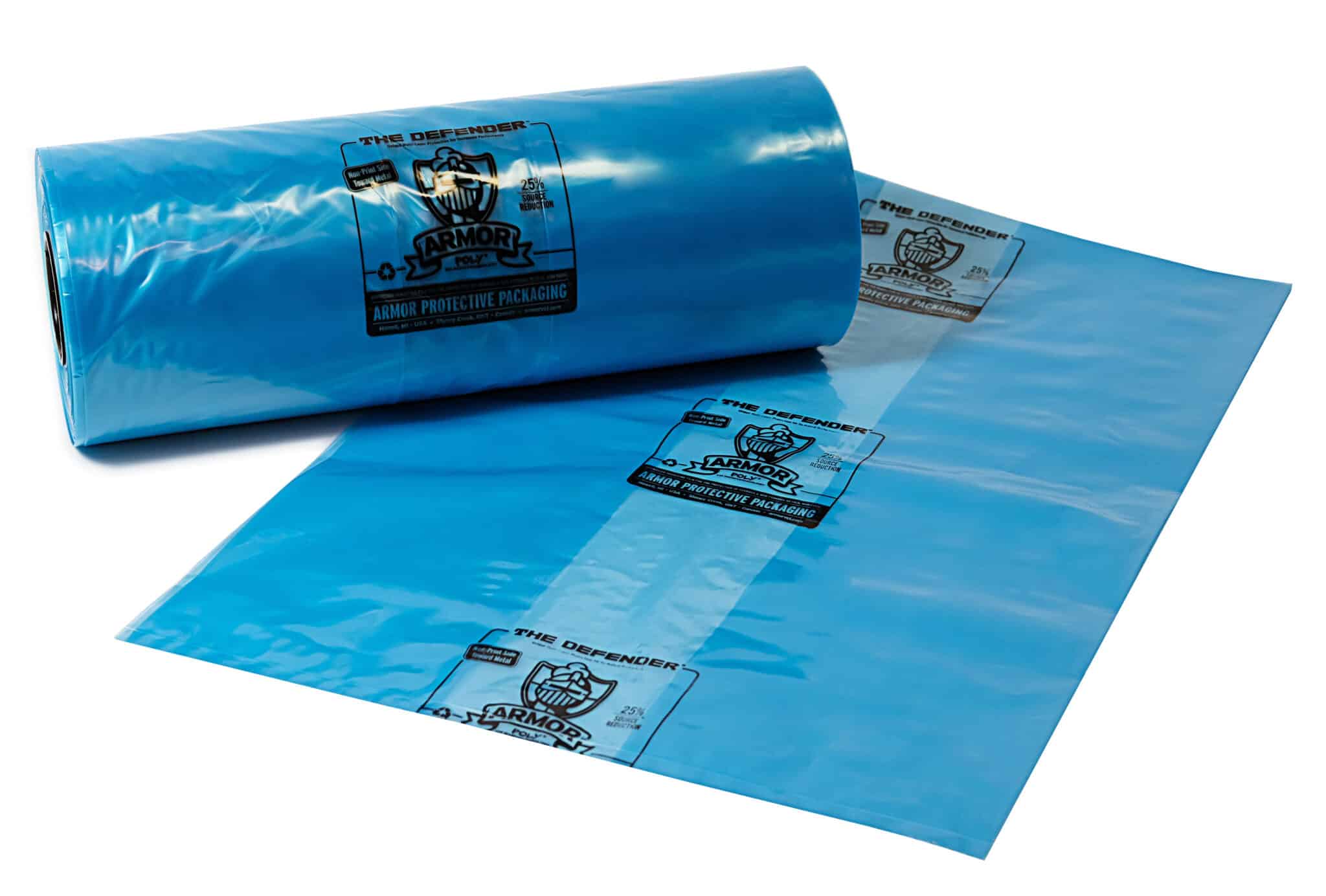
VCI (Vapor Corrosion Inhibitor) poly film not only protects metal parts from rust but also offers unexpected sustainable benefits. This polyethylene film, infused with corrosion inhibitors, works by releasing protective vapors that form a barrier on metal surfaces to shield against moisture and rust. Many VCI poly films are made with 30% post-industrial recycled content, which helps minimize the use of virgin materials and helps conserve natural resources. In addition, nearly all VCI poly films are recyclable, except for those containing specific additives such as UV inhibitors or heat shrink properties.
- Best For: Protecting large equipment, tools, and metal components during extended storage or shipping in harsh environments.
- Eco-Friendly Advantage: Made with recycled content and recyclable (except for versions with specific additives), VCI poly film reduces waste, supports resource conservation, and offers reliable rust prevention.
Tough on rust, easy on the Earth
Shop ARMOR POLY VCI FILM >
3. Natural Oils and Grease
Plant-based oils, such as coconut, avocado, and linseed, and plant-based greases provide effective, eco-friendly alternatives to petroleum-based lubricants. These natural options form a moisture-resistant barrier on metal surfaces, preventing exposure to oxygen and water—the primary causes of rust. They can be especially useful for food-grade applications, such as knives, kitchen utensils or equipment..
- Best For: Coating kitchen items or household items.
- Eco-Friendly Advantage: Biodegradable and non-toxic, natural oils are safer for the environment and easier to clean up compared to petroleum-based products
4. Beeswax or Natural Wax Coatings
Beeswax and other natural waxes provide an environmentally friendly solution for protecting metal surfaces from moisture and oxygen. These waxes form a thin, water-repellent barrier, effectively preventing rust without the use of chemicals. Beeswax is particularly popular for hand tools, cutlery, and decorative metal objects.
- Best For: Coating metal tools, jewelry, decorative items or gardening tools.
- Eco-Friendly Advantage: Natural, non-toxic, and biodegradable, waxes are an excellent replacement for synthetic sealants.
5. Electroplating with Zinc (Galvanization)
Galvanization is a process that applies a protective zinc coating to metal surfaces. Zinc, a naturally occurring element, serves as a sacrificial layer, corroding in place of the underlying metal to extend its lifespan. Advances in galvanization processes have reduced waste and emissions, making it an increasingly environmentally responsible choice for rust prevention.
- Best For: Structural steel, outdoor equipment, and hardware.
- Eco-Friendly Advantage: Long-lasting zinc coatings reduce the need for frequent maintenance or replacements, conserving natural resources and reducing overall environmental impact.
6. Air-Tight or Vacuum-Sealed Storage
Storing metal parts or objects in air-tight or vacuum-sealed containers prevents exposure to moisture and oxygen, two key contributors to rust formation. When combined with natural desiccants, this method creates a controlled, rust-resistant environment that keeps metal parts corrosion-free without the need for chemicals.
- Best For: Protecting metal tools, parts, or machinery in storage or transit.
- Eco-Friendly Advantage: No chemicals or coatings are required, and reusable containers help to reduce waste.
7. Regular Cleaning and Maintenance with Eco-Friendly Solutions
Preventative care is one of the simplest and most sustainable ways to combat rust. Regularly cleaning metal surfaces with natural cleaning agents, such as diluted vinegar or baking soda, can remove early signs of corrosion and prevent moisture buildup. For long-term protection, thoroughly dry metal surfaces after cleaning and apply a protective barrier. This can include thin layers of natural oils or waxes during maintenance to seal out moisture.
Another eco-friendly option is a water-based rust preventative coating. It helps protect metal surfaces, with the added benefits of low VOC emissions and a solvent-free formulation. These coatings create an invisible, residue-free barrier, providing a clean and sustainable solution for rust protection.
- Best For: Metal tools, appliances, and machinery used regularly.
- Eco-Friendly Advantage: Avoids the use of harsh chemicals while keeping metal surfaces in good condition. Water-based coatings offer an effective, residue-free, and eco-friendly rust prevention solution.
Use Rust Prevention Products Designed for the Environment
Choosing rust prevention products that are specifically designed to minimize environmental impact is an important step. Look for options that are biodegradable, non-toxic, and free from hazardous and harmful chemicals, ensuring both effective protection for your metal parts and a reduced environmental footprint.
Choosing the Right Eco-Friendly Rust Prevention Method
The best method for rust prevention varies depending on factors such as the type of metal, storage conditions, and the external environment. Here’s a quick guide to help you select the best approach:
- Storage: Use VCI paper, VCI poly film, or emitters and air-tight containers.
- Outdoor Equipment: Natural oils, beeswax coatings, or galvanized finishes are all effective options for rust prevention.
- Frequent Use: Clean and protect metal surfaces regularly with eco-friendly solutions and protective coatings to prevent rust and moisture buildup.
By using environmentally friendly solutions like VCI packaging materials, natural oils, and biodegradable coatings, you can effectively prevent rust while minimizing your environmental impact. These methods prove that protecting metal parts and the planet can go hand in hand.
For more information or to find the best eco-friendly rust prevention products for your needs, take a look at our online store.