Corrosion can be complicated. For instance, while not all metals rust, all metals corrode. Confused? Let’s explore how different metals like iron, steel, and aluminum “rust” or corrode, and, more importantly, how to prevent it.
What is Rust?
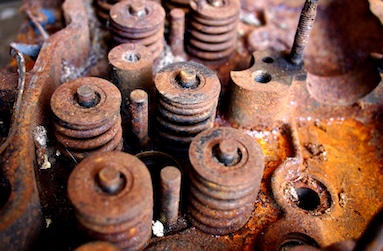
First, what is rust? Rust is the result of iron interacting with oxygen and water or moisture in the air. This reaction changes the chemical composition of iron and turns it into a reddish-brown substance called iron oxide, commonly known as rust. If iron continues to be exposed to oxygen and moisture, it will keep rusting until all of the iron has turned into iron oxide. This process affects both pure iron and various types of steel.
Rust is a common issue that plagues many different industries including automotive, construction, aerospace, agricultural, oil and gas, and manufacturing. It damages a wide range of iron-based items, from metal parts and components to machinery and equipment, draining resources including time and money for repairs and replacements. While “rust” specifically refers to the corrosion of iron, the term is sometimes used to describe similar corrosion effects in other metals, even though they are chemically different.
Prevent Corrosion with Proper Packaging and Storage
Shop VCI, desiccants, moisture control products, and more >>
Do All Metals Rust? Do All Metals Corrode? What’s the Difference Between the Two?
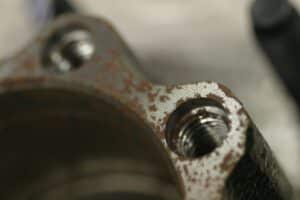 Not all metals rust, but all metals can corrode under certain conditions. The word “rust” specifically refers to the corrosion of iron, resulting in iron oxide. While other metals also corrode, typically when exposed to oxygen and moisture, the term “corrosion” is the correct and most accurate way to refer to this process instead of “rust.”
Though only ferrous metals (those containing iron) actually rust, other metals can still corrode, becoming brittle and discolored. Because of these similarities, “rust” is sometimes used as a catch-all term to describe any type of metal corrosion.
Given these similarities, let’s look at effective ways to prevent corrosion in other metals and alloys.
How to Prevent Corrosion on Steel
Steel is the most common type of iron alloy. It is primarily composed of carbon and iron, but often includes other elements such as manganese, nickel, chromium, and titanium. The combination and proportions of these elements create a wide range of steel alloys with varying properties.
Can Stainless Steel Rust?
Stainless steel is often referred to as “rustless steel” due to its high resistance to corrosion. It is made of a combination of iron, carbon, chromium, and, in some cases, other elements. Despite its name and resistance, stainless steel does contain iron and can, in fact, still rust.
How to Prevent Rust on Stainless Steel
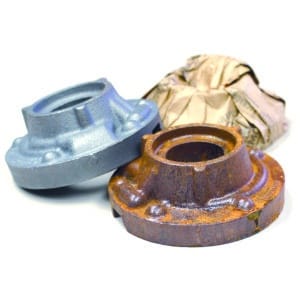 In general, stainless steel is typically protected from rust through a process called passivation. Passivation creates a thin, protective layer—not visible to the naked eye—on the surface of the stainless steel. This layer acts like a shield by blocking oxygen and moisture and protecting the metal underneath. However, some factors such as changes in pH levels or exposure to harsh chemicals can disrupt or damage this protective layer, potentially allowing rust to develop on the stainless steel.
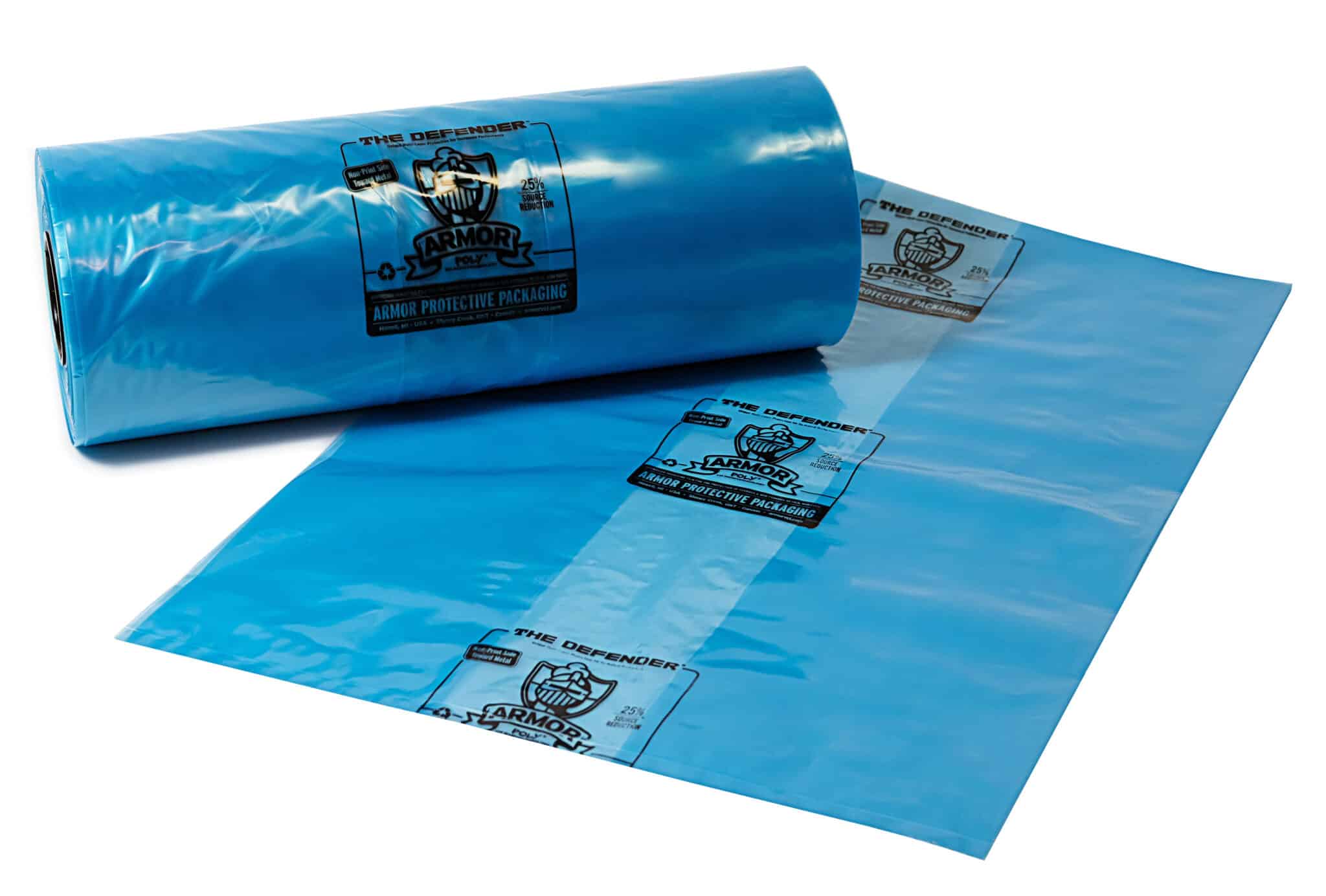
Preventing rust on stainless steel is often less challenging than with other metals. Many of the same methods, such as physically covering the metal, using desiccants to remove moisture, or applying vapor corrosion inhibitor (VCI) products that release vapors to form a protective shield on the surface of the stainless steel, can effectively prevent rust and help maintain its flawless appearance.
Find the Right VCI Products and Desiccants for Your Metal Parts
Shop now >>
Can Aluminum Corrode?
Aluminum and its alloys are also known for their resistance to corrosion, but while aluminum doesn’t rust like iron, it can still corrode. When aluminum reacts with oxygen and moisture, it forms aluminum oxide, which creates a protective barrier on the metal’s surface. This barrier helps prevent further corrosion, similar to the protective layer that forms on stainless steel. However, just like stainless steel, certain environmental factors, like extreme weather or exposure to harsh chemicals, can damage this protective layer and lead to corrosion. So, while aluminum is resistant to corrosion, it’s not completely immune.
How to Prevent Corrosion on Aluminum
Just like many other metals, the best way to prevent aluminum alloys from corroding is to protect them from the elements. For all metals, the key to preventing corrosion is to keep moisture and other harmful agents away from its surface. Physically covering aluminum metal parts and components can prevent direct contact with moisture and help to keep them dry, which slows down corrosion. Using desiccants to absorb or remove moisture and vapor corrosion inhibitor (VCI) products, which release VCI vapors that form a protective layer on the surface of metal, are also effective strategies for preventing corrosion. These methods help protect aluminum and other metals from the damaging effects of corrosion.
To find rust prevention packaging materials and products designed to protect metal parts and other metal items of all kinds, visit the ARMOR Stock & Ready® Online Store today.