
There are a variety of different ways you can protect your metal parts from rusting. But how long do these rust prevention strategies last? Let’s take a look at different rust prevention methods and explore how long these rust prevention products last.
How Long Does Rust Prevention Last?
The length of protection provided by different rust prevention products varies depending on several factors including the composition of the product, environmental conditions, and the protection strategy used, all of which impact how long the protection will last. Understanding the differences between rust prevention products and how long they effectively protect can help you choose the best approach for your needs — whether you’re storing metal parts, shipping large metal components, or protecting heavy-duty equipment in challenging environments.
Desiccants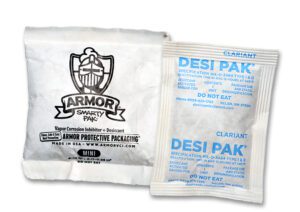
Desiccants are a widely used rust prevention method because they adsorb or remove moisture from the surrounding air, lowering humidity levels around metal objects. Since moisture is a key factor in rust formation, desiccants help prevent the oxidation reaction that causes rust. While there are various types of desiccants, they generally function in the same way and have similar lifespans.
Get the right desiccants for your metal parts or components
Shop desiccants >>
How Long Do Desiccants Last?
The lifespan of desiccants depends on several factors, such as the type of desiccant, the level of humidity in the environment, and the amount of moisture present. Typically, desiccants like silica gel last anywhere from a few weeks to several months before they need to be replaced or recharged.
In sealed environments, such as packaged metal parts or shipping and storage containers, desiccants typically last longer. However, in more open or humid environments, their effectiveness diminishes more quickly. It’s important to monitor the desiccant regularly to ensure they’re still providing adequate protection against rust.
Replace your desiccant if you notice any of the following changes:
- Color: Some desiccants, such as silica gel with moisture indicators, change color when they reach capacity. In addition, those made from clay will change color when they begin to lose their moisture-adsorbing capacity.
- Weight: As desiccants adsorb moisture, they get heavier, indicating that they are saturated and need replacement.
- Texture: If the desiccants feel brittle, swollen, or soft, it’s a sign that they are saturated and need to be replaced.
VCI Materials
Vapor Corrosion Inhibitor (VCI) Paper and other packaging materials, sometimes called Volatile Corrosion Inhibitor, are highly effective for rust prevention. VCI compounds release special vapors that form a protective layer on the surface of metal that prevents moisture and other corrosive elements from causing rust.
Types of VCI Products
There are various types of VCI products, each tailored to different metals and applications:
- VCI Paper: Made of kraft paper that has been infused with VCI, this paper is ideal for wrapping or interleaving between layers of metal parts, or lining trays, bins, and shipping containers. It releases corrosion-inhibiting vapors that form a protective layer on metal surfaces, preventing rust.
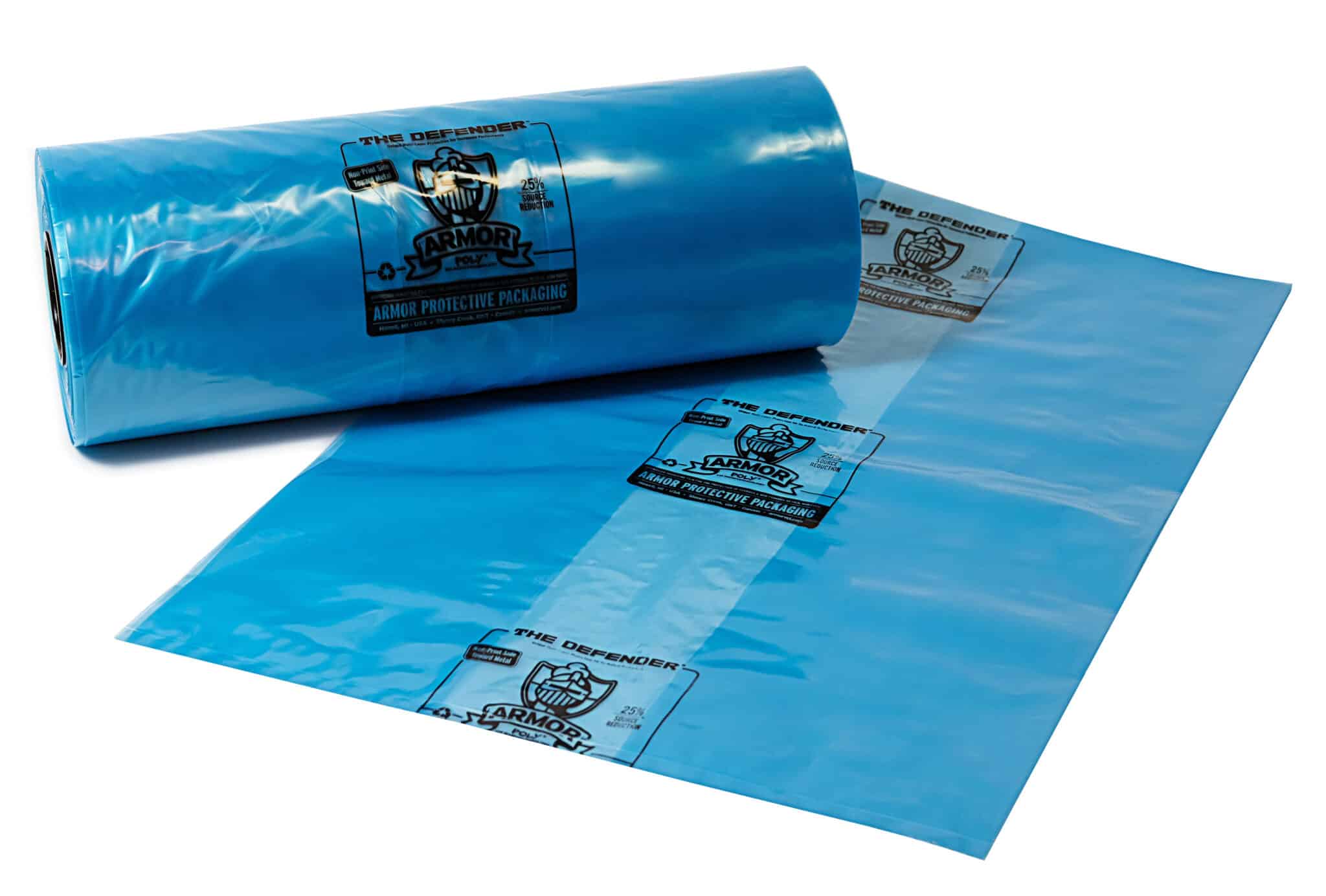
- VCI Film: These polyethylene plastic films are infused with VCI and come in sheets for covering large equipment or machinery, or in closed-top bags for protecting small-to-medium parts.
- VCI Emitters: These small devices release VCI rust-preventing vapors into enclosed spaces, such as tool boxes or storage cabinets, providing ongoing rust protection.
Each type of VCI product is designed for specific applications, ensuring that metal parts, components, machinery, and equipment remain protected while in storage or transit.
Get VCI paper, film, emitters and more
Shop VCI >>
How Long Does VCI Last?
 The effectiveness of VCI materials generally lasts between one to two years, depending on environmental and storage conditions. In enclosed or sealed environments, where the VCI vapors are contained, its ability to protect and prevent rust can last longer. However, if the packaging is frequently opened or exposed to air, its effectiveness will decrease more quickly. To ensure VCI materials provide optimal protection, monitor it based on the following conditions:
- Use VCI Materials Properly: Wrap metal parts completely with the right VCI materials, ensuring there are no gaps or exposed areas. For larger items, line boxes, bins, or containers or cover metal items thoroughly with VCI materials.
- Inspect For Damage: Check VCI for tears or holes and replace any damaged VCI to maintain effective rust protection.
- Maintain Sealed Environments: Store wrapped items in sealed containers or areas to keep VCI vapors contained and effective. Avoid environments where the packaging might be frequently opened or exposed to air.
- Ensure Clean Surfaces: Before wrapping with VCI material, ensure metal surfaces are clean and dry. Contaminants or moisture can diminish the effectiveness of the VCI.
- Avoid Overuse: Use an appropriate amount of VCI based on the size and type of items being protected. Excessive or over-layering of VCI products can block the circulation of VCI vapors reducing their effectiveness.
Other Rust Prevention Strategies
Beyond desiccants and VCI materials, there are several other strategies that can help prevent rust, each with varying degrees of effectiveness and longevity:
- Protective Coatings: Applying paint, powder coatings, or other coatings creates a physical barrier between the metal and the environment, helping to prevent rust. However, if the coating is damaged, the underlying metal can be exposed and susceptible to corrosion.
- Oil and Grease: Regularly applying oil or grease to metal surfaces helps repel moisture and slow down rust formation. Unfortunately, this method can be time-consuming, labor-intensive, and messy, requiring both application and removal.
- Regular Maintenance: Keeping metal surfaces clean and dry and performing regular inspections for signs of rust can boost the effectiveness of any rust prevention strategy.
Each of these rust prevention methods offers a different duration of protection. If you find that your current rust prevention measures are not performing as expected, it may be time to assess and update your approach. For rust prevention products designed to protect your metal parts, components, tools, and machinery, shop at the ARMOR Stock & Ready® Online Store.