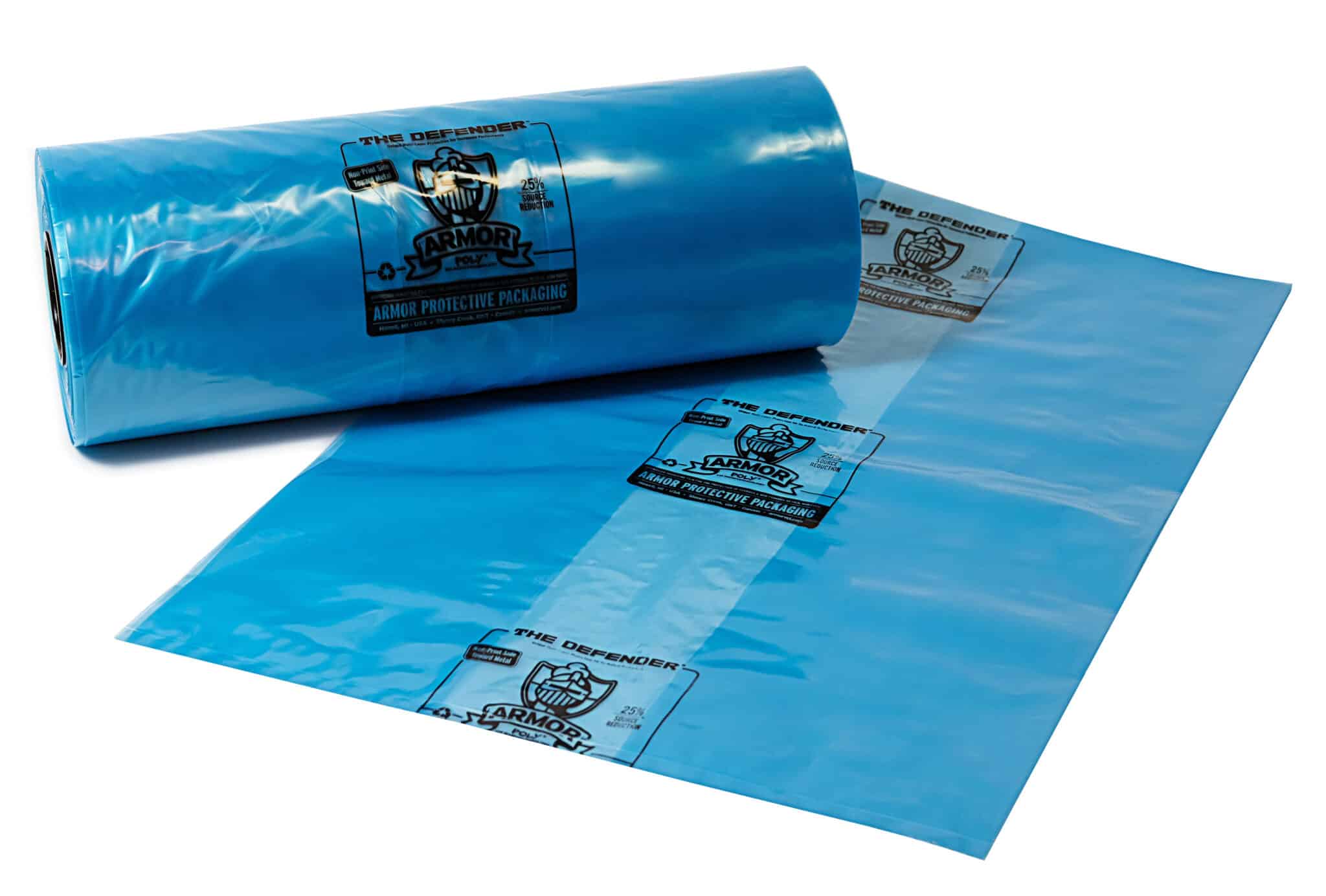
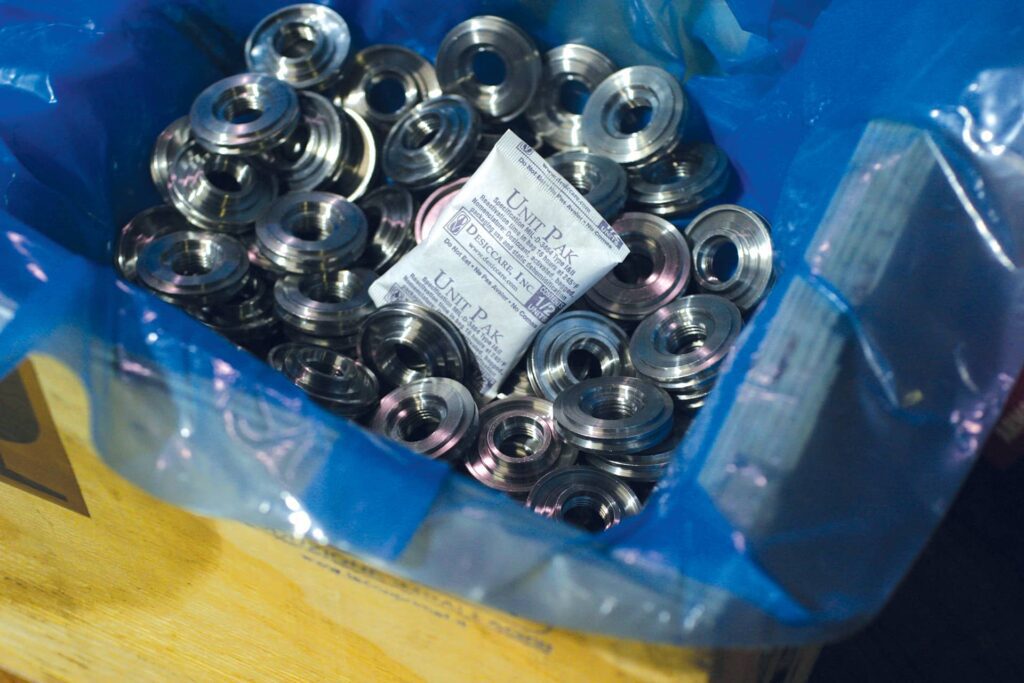
 Desiccants play a crucial role in moisture control by keeping environments dry and preventing corrosion, mold, and damage to metal parts. Various types of desiccants exist, each designed to trap and hold moisture using different mechanisms, making them effective for a variety of uses. Let’s explore four of the most common types of desiccants—clay, silica gel, calcium chloride, and molecular sieves—and examine how they work and their best conditions for use.
What Are the Different Types of Desiccants?
Clay Desiccants
Composition and Mechanism
Let’s start with a popular and cost-effective type of desiccant: clay. Clay desiccants, made from natural materials like bentonite and montmorillonite, are the most economical and environmentally friendly desiccants available. They work through adsorption, which means they trap moisture on their surface. Since this natural clay is biodegradable, it is a sustainable choice for moisture control.
Moisture-Trapping Rate
Clay desiccants can adsorb up to 30 percent of their weight in water vapor at standard conditions, particularly around 77°F (25°C) and moderate relative humidity levels. They adsorb moisture quickly at first, but tend to slow down once they reach higher moisture saturation.
Ideal Conditions
Clay desiccants are best suited for use in temperatures up to 120°F (49°C), with optimal performance around 77°F (25°C). They work well in packaging, shipping, and storage situations where extreme heat is not a factor. Because of their cost-effectiveness, clay desiccants are ideal for large-scale use, especially where environmental impact is a concern.
Calculate how much desiccant you need for storage and shipping
Use our calculator >
Silica Gel
 Composition and Mechanism
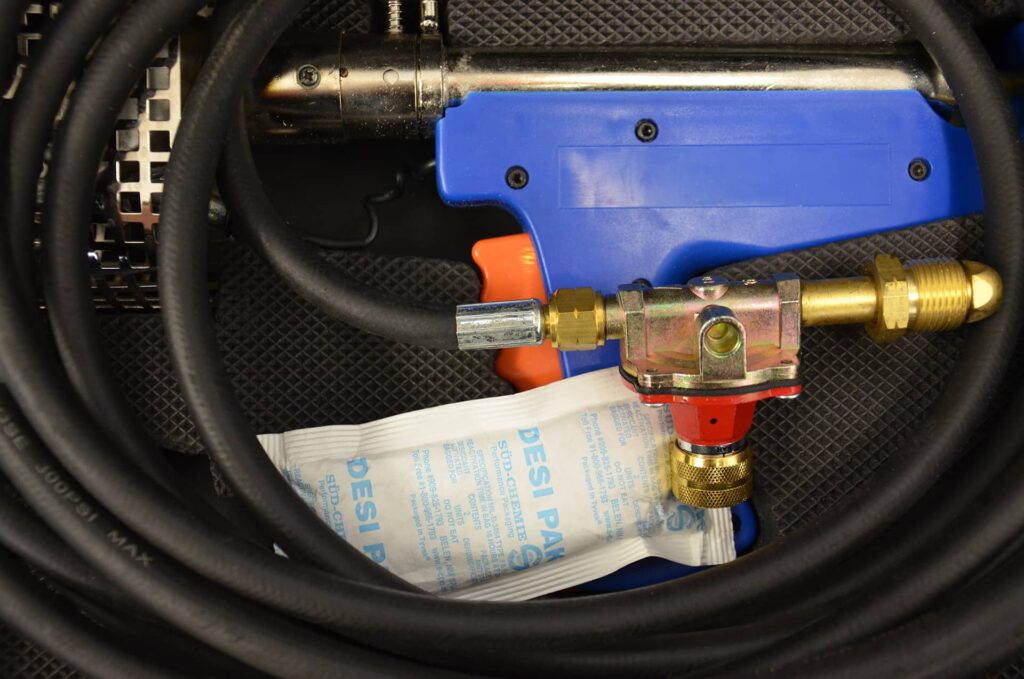
Silica gel is one of the most commonly used desiccants, made of small silica beads with an extremely porous structure. Like clay, silica gel operates through adsorption, attracting moisture to its surface and holding it within its pores.
Moisture-Trapping Rate
Silica gel has a higher moisture capacity than clay, able to adsorb up to 40 percent of its weight in water vapor. It works steadily and reliably across a wide range of conditions, but performs particularly well at higher relative temperatures.
Ideal Conditions
Silica gel is suited for environments with temperatures up to 120°F (49°C), where clay desiccants might degrade. It performs optimally between 70°F (21°C) and 90°F (32°C) with high humidity levels (60-90% relative humidity). Its non-toxic and non-flammable nature makes it a popular choice for use in food packaging, pharmaceuticals, and electronics, particularly when long-term moisture control is needed or in high-heat conditions, such as outdoor storage in the summertime.
Explore silica gel desiccants >
Calcium Chloride
Composition and Mechanism
Calcium chloride is an effective desiccant that functions through absorption. Unlike clay and silica gel, which adsorb moisture on their surface, calcium chloride absorbs water vapor into its internal structure. As it takes in moisture, calcium chloride often forms a brine-like solution.
Moisture-Trapping Rate
Calcium chloride is the most powerful moisture absorber, capable of absorbing up to 200 percent of its weight in water vapor. It works much more quickly than clay or silica gel, drawing in significant moisture in high-humidity environments.
Ideal Conditions
Calcium chloride is especially effective in extreme conditions, functioning in temperatures from -4°F (-20°C) to 194°F (90°C). It is ideal for high-humidity environments such as basements, industrial applications, or shipping containers where the goal is to rapidly remove large quantities of moisture. Its effectiveness, however, requires careful monitoring, as it can become saturated quickly and needs to be replaced more often in high-moisture environments.
Molecular Sieve
Composition and Mechanism
A molecular sieve is a synthetically produced desiccant that is engineered with a highly porous, three-dimensional crystalline structure. It is unique because it can selectively adsorb specific molecules based on size, including water vapor, making it highly effective at moisture control.
Moisture-Trapping Rate
Molecular sieves have a higher adsorption capacity than both silica gel and clay, especially in low-humidity environments, and it can continue adsorbing moisture even when other desiccants begin to lose effectiveness. They remain effective in higher temperatures (above 100°F or 38°C) and can continue adsorbing moisture even when other desiccants begin to lose their effectiveness. Molecular sieves are known for their ability to adsorb moisture quickly and maintain this capacity over long periods of time.
Ideal Conditions
Molecular sieves are ideal for long-term protection in harsh environments with extreme heat. They are often used in chemical processing, air filtration, and highly sensitive equipment storage, where precise moisture control is required. Their selectivity makes them perfect for applications where the exclusion of other gasses or molecules, along with moisture, is important.
Conclusion
Understanding the different types of desiccants and their unique properties can help you choose the right moisture control solution. Whether you need the cost-effective, environmentally friendly nature of clay, the high-temperature resilience of silica gel, the rapid absorption power of calcium chloride, or the precise control of a molecular sieve, each desiccant serves a specific purpose.
By selecting the right desiccant for your environment, you can optimize protection and ensure longevity for your metal parts, machinery or equipment. If you’re not sure what type of desiccant is best or how much you need, contact us. We can help you select the right desiccant and moisture-control solution for your needs.