Different climates can accelerate the onset and the effects of rust. However, with the right strategies, you can slow this process, significantly reduce the risk of corrosion, and extend the life of your metal parts, machinery and equipment. Let’s take a look at the effects of different climates on metal items, and outdoor rust prevention strategies for any climate, including the use of Vapor Corrosion Inhibitors (VCI), polyethylene (plastic) sheeting or bags, and even the occasional desiccant for extra measure.

Climate Effects On Rust
Preventing rust presents unique challenges in different climates and environments. The two biggest considerations are moisture and salt. Rust occurs when water, iron, and oxygen meet and cause oxidation. Salt speeds up this process. So, environments with more salt and more moisture will struggle with more rust.
Rainfall, Snowfall, and Salt
Areas with heavy snowfall often have higher rates of corrosion. Regions like the American Midwest, parts of the East Coast, and many parts of Canada not only experience heavy snowfall, but also receive significant rain in the summer. This constant level of moisture, combined with the use of road salt, accelerates rust formation especially on metal parts and equipment that are used and stored outside. Metal continually exposed to the elements–such as automotive parts, engines, brake discs and rotors; construction materials like steel beams, rebar, pipes and fasteners, industrial machinery, gears and bearings–is at high risk for corrosion and requires protection.
Humidity, Ocean Salt, and Sand
Frequent rain in humid climates also presents a high, persistent level of moisture, which can find its way into even small cracks and crevices, promoting rust. Coastal areas face the added challenge of salt from the ocean, which can accelerate metal corrosion. In contrast, moisture is less of a concern in dry, arid regions, but temperature fluctuations can cause condensation, leading to rust. High winds and grit from dirt or sand can also create a sandblasting effect, wearing away any protective coatings on metal parts and making them more susceptible to rust.
Each environment presents unique challenges that can promote rust. Rust prevention strategies designed to address these climate-related issues can make a big difference.
Outdoor Rust Prevention Strategies for Any Climate
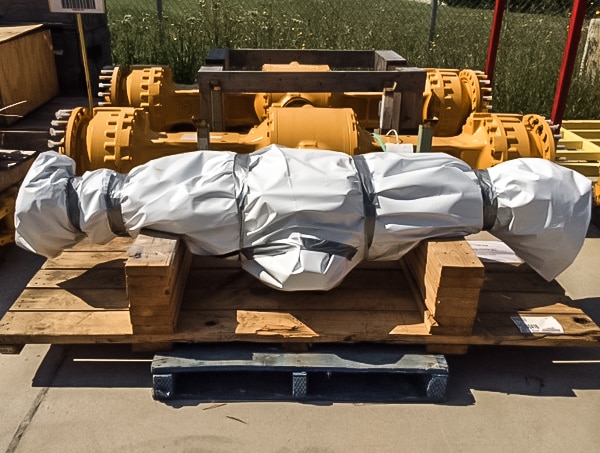
From specialized protective materials that purely provide a physical barrier, such as heavy-duty tarps, shrink wrap, and coatings, to VCI (Vapor Corrosion Inhibitor) products that offer a chemical barrier by emitting protective vapors, assembling the right rust prevention strategy is critical for keeping metal parts rust-free. For superior protection, rust-prevention materials that integrate both physical and chemical barriers—such as VCI-infused poly film in sheets, rolls, or bags—offer enhanced resistance against environmental factors like moisture, salt, and UV exposure.
VCI poly film is available in a range of sizes, thicknesses, and formulations, including options with UV light and heat inhibitors. Additionally, VCI film can be combined with other rust-prevention materials, such as VCI paper or desiccants, to further enhance its rust-prevention strength. This comprehensive approach ensures robust protection against a whole menu of environmental threats.
Outdoor Rust Prevention Strategies for Any Climate
From specialized protective materials that purely provide a physical barrier, such as heavy-duty tarps, shrink wrap, and coatings, to VCI (Vapor Corrosion Inhibitor) products that offer a chemical barrier by emitting protective vapors, assembling the right rust prevention strategy is critical for keeping metal parts rust-free. For superior protection, rust-prevention materials that combine both physical and chemical barriers—such as VCI-infused poly film in sheets, rolls, or bags—offer enhanced resistance against environmental factors like moisture, salt, and UV exposure.
VCI poly film is available in a range of sizes, thicknesses, and formulations, including options with UV light inhibitors and heat-resistant properties, making it ideal for outdoor and harsh environments. It can also be combined with other rust-prevention materials, such as VCI paper or desiccants, to further enhance its rust-prevention capabilities. This comprehensive approach ensures strong protection against a broad range of environmental threats.
1. Physical Protection

An important outdoor rust prevention strategy is securely covering metal items when they’re in storage or not in use. While rust and oxidation occur at the molecular level, physically wrapping or covering metal parts or equipment creates a protective barrier that helps to slow the corrosion process. This barrier also shields against additional factors that contribute to rust, such as friction from dirt and the physical impact of wind or rain.
2. Vapor Corrosion Inhibitors (VCI)
Vapor Corrosion Inhibitors or Volatile Corrosion Inhibitors (VCIs) are another highly effective way to protect metals from corrosion, and can be an effective outdoor rust prevention strategy. VCI is combined with materials such as kraft paper or polyethylene plastic to create rust-prevention packaging materials that can be wrapped, enclosed or used to create a protective barrier around metal parts to prevent moisture from reaching them, and preventing oxidation from happening.
In addition, these rust-prevention packaging materials slowly release their VCI vapors into the surrounding air. These vapors form a protective layer on the surface of the metal that blocks moisture, salt, and other corrosive elements from reaching the metal.
VCI For Larger Items
While some items are easier to fully cover than others, larger pieces of equipment like engines, pumps, gears, and machinery can still benefit from as much coverage as possible. Due to their size, these items are often stored outdoors where exposure to moisture and other elements can accelerate corrosion. Combining heavy-duty coverings with VCI products can further slow down rust formation.
To ensure maximum protection, opt for a tight, secure fit of your coverings. Depending on the size and shape of your metal parts, flat or gusseted VCI poly bags may be ideal. It’s also important to select a poly film thickness that can withstand environmental conditions like strong winds or abrasive elements such as sand or dust.
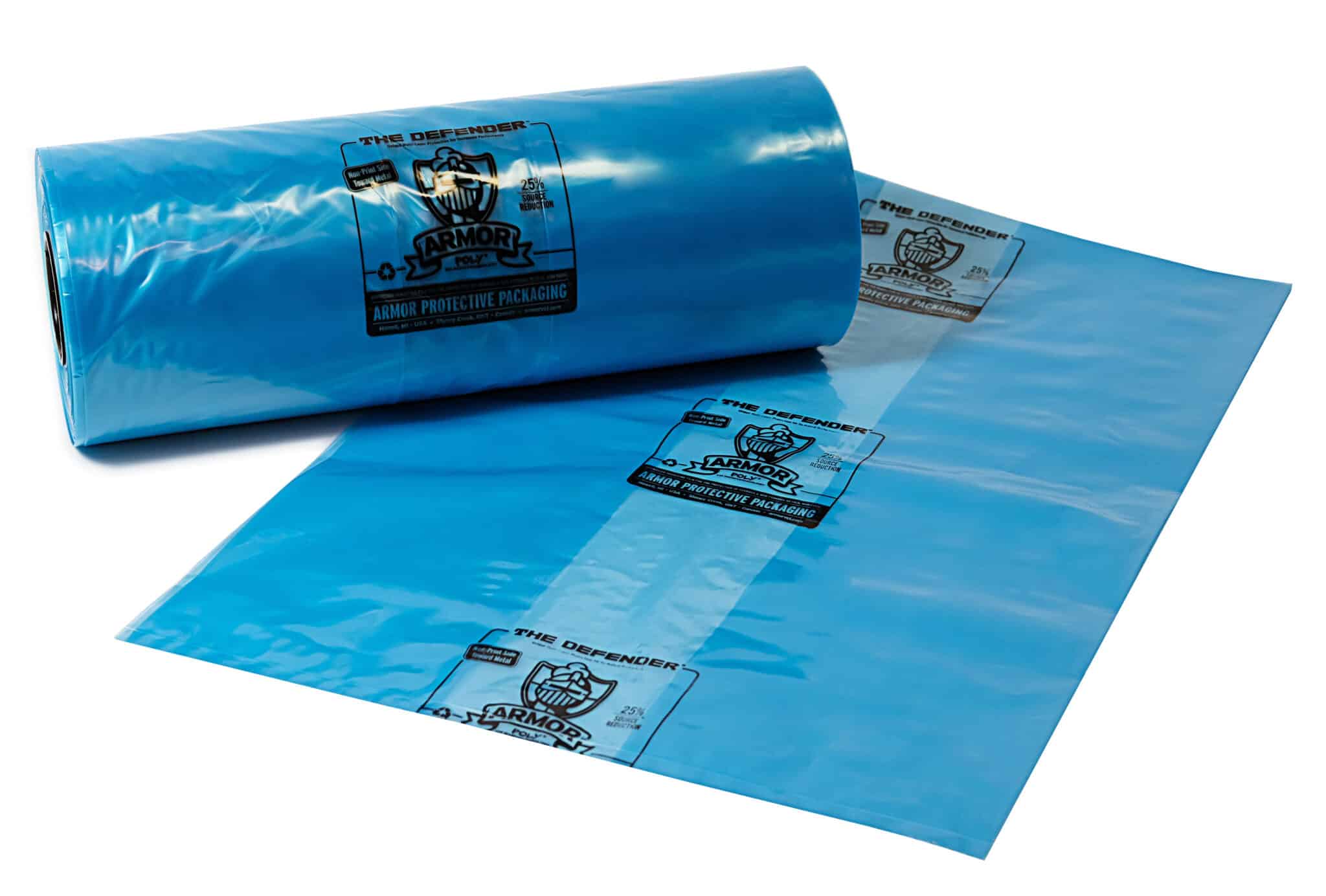
ARMOR POLY VCI Film combines VCI protection with super-strong polyethylene film
Explore VCI Poly Bag options >
3. UV Protection and Rust Protection
While moisture, wind, sand, and salt can quickly damage metals, the sun is also a significant threat. Ultraviolet light can rapidly wear down some layers that might be protecting the metal objects. In addition, sunlight can cause drastic temperature changes in many climates, further weakening metal parts. To protect against UV exposure and sudden temperature changes, consider keeping your metal parts out of direct sunlight whenever possible.
ARMOR SEA film uses UV light stabilizers and UV-resistant pigments to prevent damage from the sun
Learn more about ARMOR SEA Film >
4. Desiccants
Desiccants are materials that trap moisture from the air, thereby reducing humidity levels in their immediate environment. Since rust can’t form without water, desiccants remove or dramatically reduce an important factor required for rust formation.
How do Desiccants Work?
Desiccants come in many different forms, including silica gel, calcium chloride, and clay. Most desiccants work using a process called adsorption, which is different from absorption. Desiccants have a highly porous surface that uses adsorption to trap and hold moisture on their surface to prevent it from interacting with other materials.
Placing desiccants inside sealed packages or containers helps to capture and manage moisture in the air, protecting items from potential damage. They can be used for any item that is susceptible to moisture, from metal parts to foodstuffs to clothing and more. To be effective as an outdoor rust prevention strategy, desiccants must be used in a closed or sealed package or container.

5. VCI + Desiccant
Desiccants and VCIs are, by themselves, highly effective in preventing rust. However, these technologies can also be combined. While VCIs create a protective barrier around the items, desiccants remove moisture from the surrounding area, creating two tiers of rust prevention. Two types of protection can be particularly effective in environments with high humidity, where keeping moisture away from your items is challenging, or in environments with high salt levels, which can accelerate rust fast.
The ARMOR SMARTY PAK™ combines VCIs and Desiccants in one powerful package
See how it works >>
6. Good Maintenance
Good maintenance is another effective rust prevention strategy in any climate. Regularly cleaning your metal parts to remove dirt, water, and salt will help prevent rust from continuously eating away at its surface. If the item has a protective coating, like paint or powder coating, maintaining it and making timely repairs will protect the metal underneath from exposure to rain, salt, wind, and other elements.
Although exposure to the elements can take a toll on metal parts, tools, machinery, vehicles and structures, rust can be prevented. By using and combining these rust prevention strategies, you can safeguard your metal items in any climate while addressing specific challenges that might accelerate rust in your area. For rust prevention products that are clean, safe, easy to use, and effective, order now through the ARMOR Stock & Ready® Online Store!