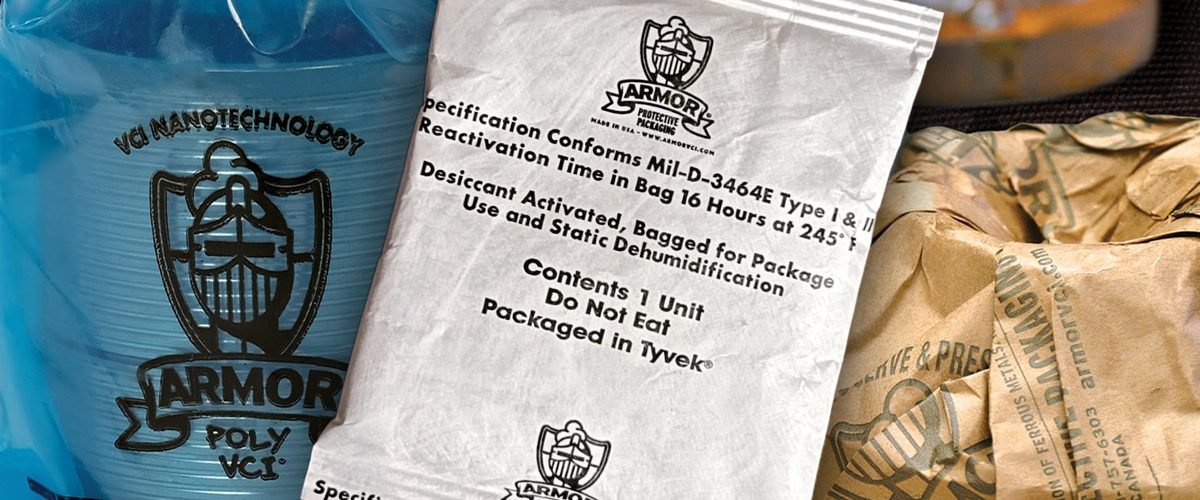
Corrosion is an ever-present threat to metals across industries, prompting manufacturers and procurement managers to seek effective preservation solutions.
Understanding Corrosion Protection: VCI Packaging vs. Desiccants
Among the leading choices are Vapor Corrosion Inhibitor (VCI) packaging and desiccants. Each method presents unique advantages and scenarios where it can outperform the other. This article delves into:
- How both approaches work
- Factors influencing their effectiveness
- Guides decision-making for organizations facing corrosion challenges.
How Do VCI Packaging and Desiccants Prevent Rust?
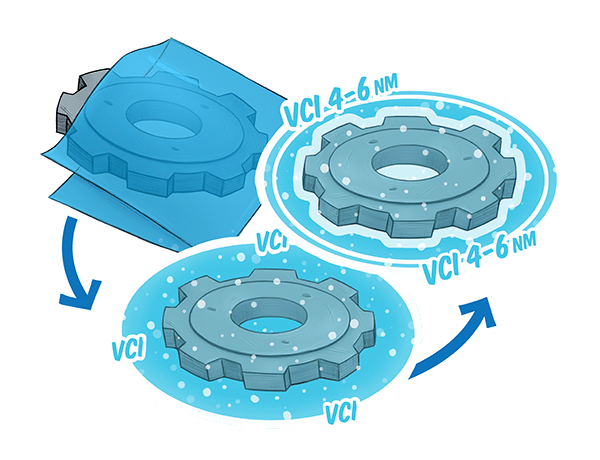 How Do VCI (Vapor Corrosion Inhibitors) Protect Metal from Corrosion?
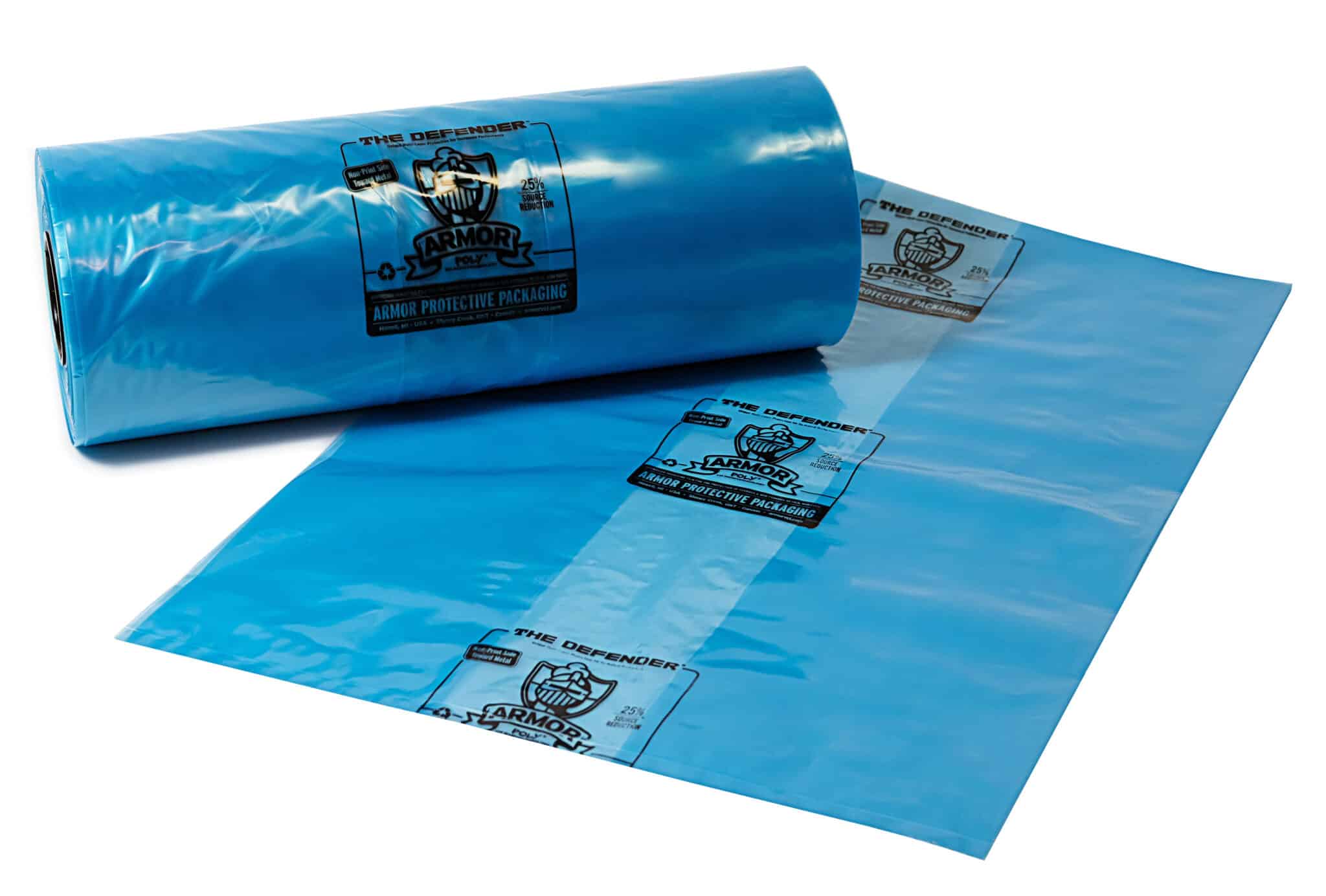
VCI packaging uses specialized materials infused with corrosion inhibitors that vaporize, forming a protective layer on metal surfaces. These flexible films, paper, and wraps provide an invisible barrier against moisture and corrosive agents. The inhibitors can travel through the air and settle on any exposed metal surface, ensuring comprehensive coverage. Armor Protective Packaging® would characterize VCIs as “active” packaging since they replenish and are volatile, filling an airspace with corrosion inhibitors as air pressure changes.
How Desiccants Control Moisture and Prevent Corrosion
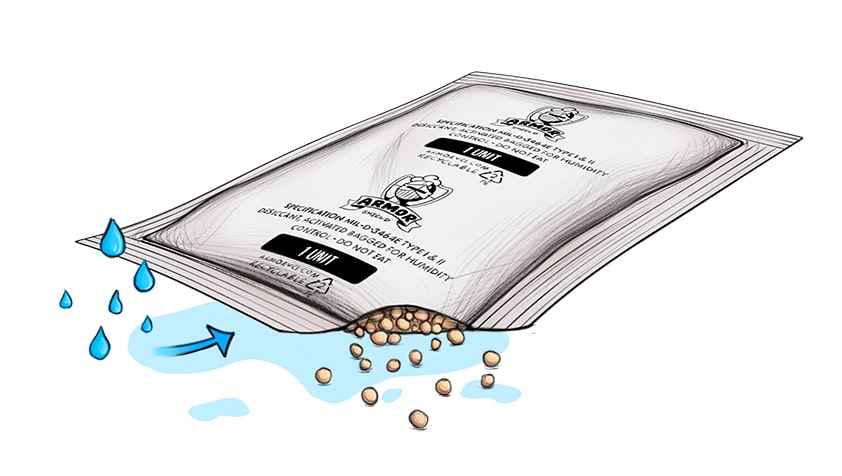
Desiccants are slightly more passive since they essentially adsorb (yes, ad-sorb) moisture until they can no longer hold more. We use the word “ad-sorb” instead of “ab-sorb”. Desiccants work via adsorption, in which moisture adheres to their porous surfaces without penetrating them. It operates much like a magnet for moisture: in a humid environment, the desiccant attracts moisture molecules from the air and “traps” or binds them to its surface (like a magnet attracts metal and holds it). Unlike absorption, where one substance chemically integrates into another (such as in a diaper), adsorption occurs only at the surface.
VCI vs. Desiccants: Key Advantages for Rust Prevention
Advantages of VCI Film and Paper
- Versatility: Suitable for a multitude of metals, including steel, copper, aluminum, and more.
- Ease of Use: Simply wrap or cover the item, and the protective environment is established without additional steps.
- Long-Lasting Protection: Effective even for extended storage periods when properly sealed.
Advantages of Desiccants
Desiccants, such as silica gel, clay, or calcium chloride, adsorb moisture from their environment. By reducing humidity levels, they mitigate the electrochemical reactions that lead to corrosion. Desiccants can be used in boxes, containers, or bags to keep the surrounding air dry.
- Effective in High Humidity: Ideal for environments with consistently high humidity, helping lower it below critical corrosion thresholds.
- Cost-Effectiveness: Generally on par with VCI solutions. Much depends on the size of the application and the longevity needed.
- Ease of Implementation: Simply place desiccants alongside metal items to begin moisture absorption immediately. The container must be closed for desiccants to work properly.
VCI vs. Desiccants: Which Performs Better in Different Scenarios?
Best Solution by Part Type

- VCI Film: Best suited for complex geometries, intricate parts, or assemblies. The vapor can effectively settle into crevices that might be inaccessible, offering superior protection compared to desiccants.
- Desiccants: More effective for flat, simpler items where physical layout allows for optimal moisturecontrol. In some cases, desiccants can be specifically tailored to sensitive components, preserving delicate wiring or vulnerable surfaces.
Best Corrosion Protection by Storage Duration
- Short-Term Storage (Days to a Few Months): Desiccants can do a fantastic job of keeping moisture at bay economically and quickly. If the storage period is brief, this might be the ideal approach.
- Mid- to Long-Term Storage (Months to Years): Good VCI packaging generally outperforms desiccants. A sealed environment with VCI film can provide continued protection for extended periods without concern about desiccant saturation or replacement.
Humidity Impact: High vs. Moderate Environments
- High Humidity Environments: Desiccants shine, readily removing excess moisture and preventing conditions that could lead to corrosion.
- Moderate to Low Humidity: VCI packaging may perform better under these conditions, as it inherently forms a barrier that can resist oxidation, potentially offering long-term protection without active moisture management.
Sealed vs. Open Packaging Environments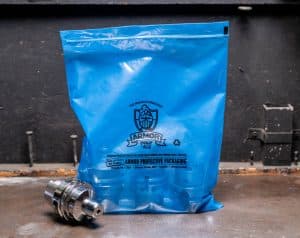
- Sealed Packaging: VCI packaging is incredibly effective in completely sealed environments. When combined with control of oxygen levels, it can deliver unmatched protection. Likewise, desiccants need to be contained, or else they draw moisture in from all areas they are exposed to.
- Open or Air-Exposed Storage: VCI packaging should be contained in an enclosure. Depending upon the application, it can work in short-term situations when draped or covered over metal. This scenario, such as during a manufacturing plant summer changeover or shutdown, can utilize VCI packaging (VCI Films and VCI Paper) to ward off corrosion for a short period.
How to Choose Between VCI Packaging and Desiccants
When faced with the choice between VCI packaging and desiccants, consider the following factors:
- Type of Metal: Determine whether the metal will benefit more from VCI’s protective layer or be better suited for moisture management with desiccants.
- Storage Duration: Assess the storage time frame. Short-term needs may be well met with desiccants, while VCI is more suitable for long-term solutions.
- Humidity Conditions: Evaluate the environmental conditions. High humidity may necessitate desiccant packaging, whereas moderate conditions may favor VCI packaging.
- Accessibility of Parts: Consider the complexity and ease of access of the metal parts. Complex parts benefit more from VCI.
Can You Use VCI and Desiccants Together for Maximum Corrosion Protection?
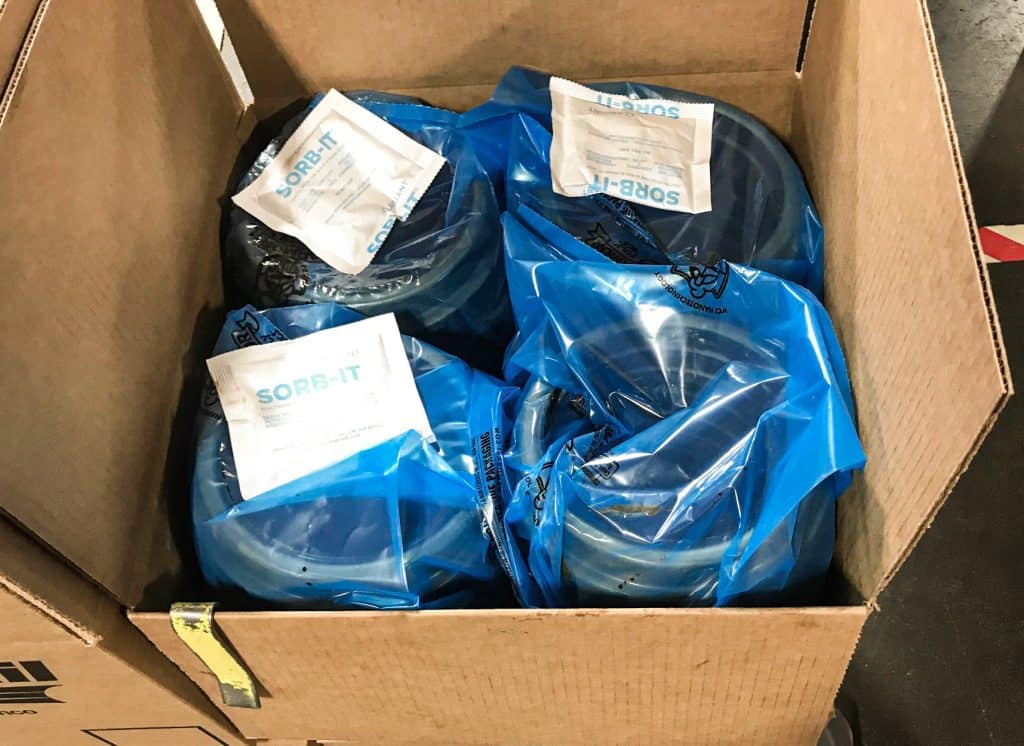
VCI and desiccants work in tandem to address different aspects of rust prevention. VCI forms a protective layer blocking moisture and contaminants on the surface of the metal. Desiccants minimize moisture to create a dry packaging or storage environment. When combined, VCI and desiccants protect metal parts from corrosion in extreme conditions. The complementary functions of VCI and desiccants ensure comprehensive protection of metals.
ARMOR Protective Packaging offers both VCI film and paper, along with moisture-control products, providing an excellent solution for a range of corrosion challenges. This adaptability, whether through a single method or a hybrid approach, puts ARMOR at the forefront of corrosion management solutions for today’s manufacturers.
Final Thoughts: Selecting the Right Corrosion Protection Solution
The decision on whether to employ VCI packaging or desiccants can significantly impact the longevity and integrity of metal parts. Evaluate your specific needs to select the most suitable solution and safeguard your assets against the relentless effects of corrosion!
Not sure which solution is right for your application? Connect with our Customer Care team to find the best fit for your corrosion challenges. They can be reached at [email protected], 1-800-365-1117, or via chat (with a live member of our Inside Sales Team) at armorvci.com.