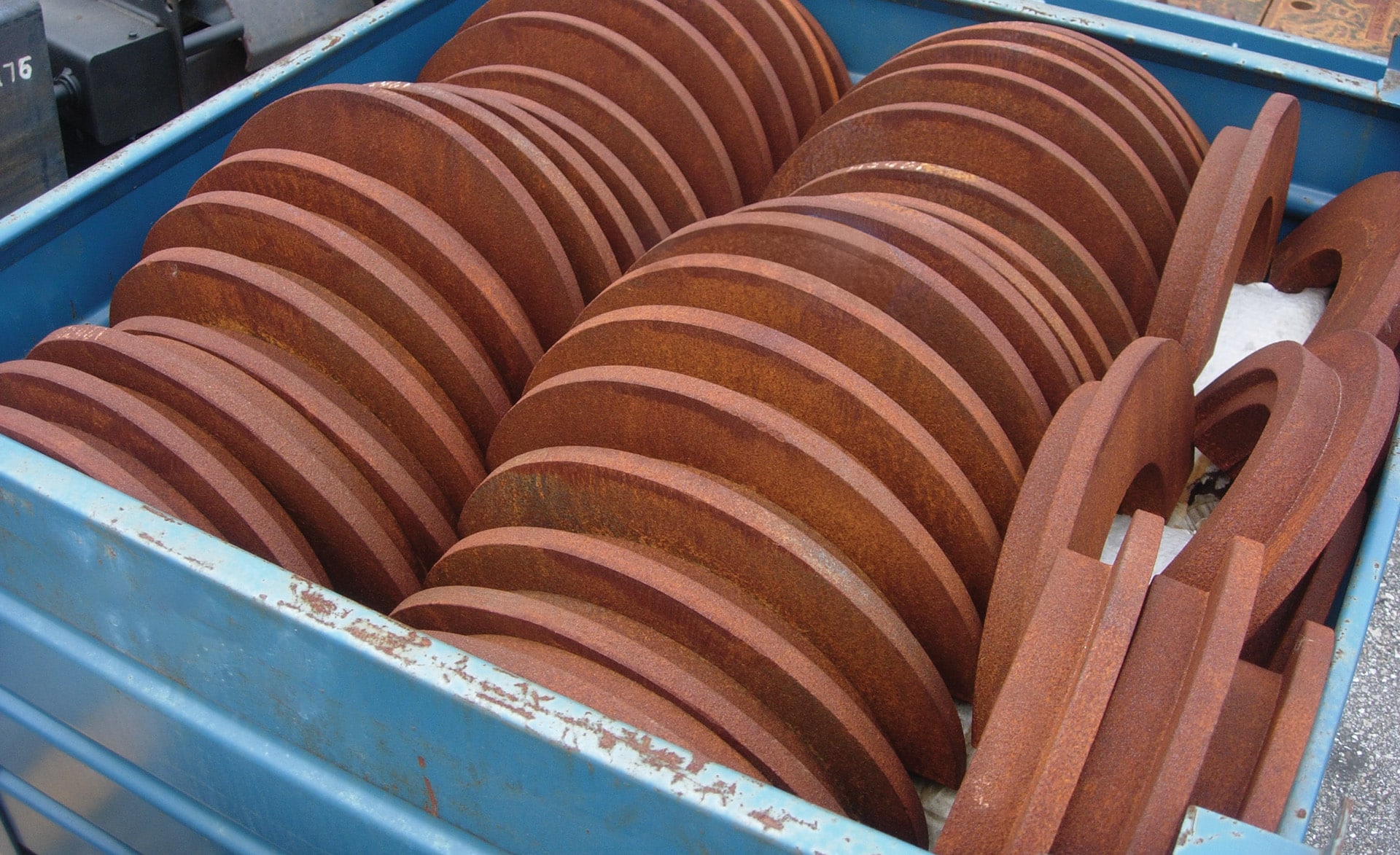
Why Proper Corrosion Diagnosis Matters
Corrosion can be a silent enemy in your manufacturing processes, leading to costly damages and unsatisfied customers. At Armor Protective Packaging®, we understand how vital it is to diagnose and address corrosion issues efficiently and effectively. Our mission goes beyond just supplying the best corrosion inhibiting VCI protective packaging; we aim to empower you with the knowledge needed to keep your products rust-free. A strong corrosion diagnosis process is the first step toward building a more effective rust prevention and corrosion prevention strategy for your metal parts, equipment, and finished products.
The 5 Steps of Effective Corrosion Problem Diagnosis
Diagnosing corrosion problems starts with asking the right questions. By evaluating the size, severity, appearance, process history, and environment surrounding the rust issue, manufacturers can better identify the root causes of corrosion and choose the right prevention strategy.
In this blog, we’ll outline five essential steps for diagnosing corrosion problems.
The five key areas to evaluate include:
- Failure size and frequency
- Failure severity
- Corrosion failure mode
- Manufacturing processes
- Environmental conditions
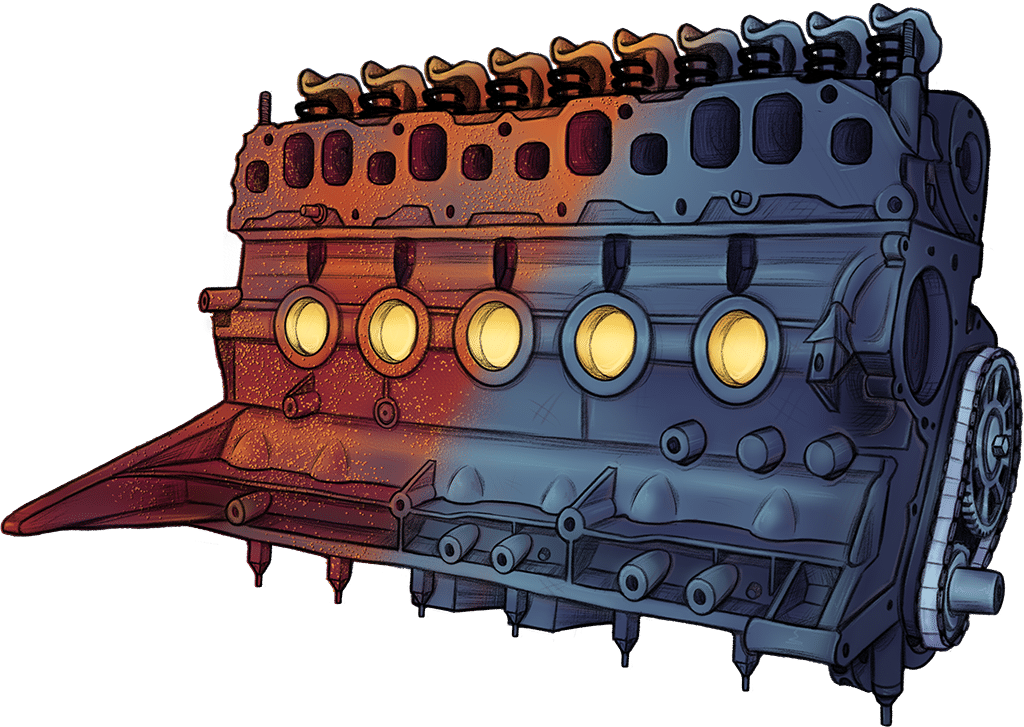
By understanding these steps, you can identify the root causes of corrosion and invest in effective prevention strategies. Let’s go!
Step 1: Assess Failure Size and Frequency
The first step in diagnosing corrosion issues is to evaluate the scope of the problem. This type of failure analysis helps determine how widespread the issue is and whether the corrosion appears to be isolated, recurring, or tied to a specific season, process, or shipment. Consider these critical questions: What is the quantity of parts affected by rust? How long have these parts been experiencing corrosion? Have there been similar issues in the past? If so, are they seasonal?
The answers to these questions will give you a clear picture of the “failure rate,” enabling you to prioritize your response. Understanding the size and frequency of the corrosion problem can help frame your action plan effectively. It can also help uncover the true business impact of corrosion, from rework and replacement costs to shipping delays and customer complaints. Curious what rust may really be costing your organization? Explore ARMOR’s Cost of Rust Calculator to estimate the financial impact of corrosion on your operations.
Step 2: Evaluate Failure Severity
Not all corrosion is created equal, so assessing corrosion severity is crucial. Evaluating how much of the metal surface is affected can help determine the seriousness of the problem and guide the next steps in the diagnosis process. Each affected part should be evaluated based on the percentage of surface area exhibiting rust. Here’s a guideline for grading.
Corrosion Severity Grading System
- Grade A: No visible corrosion
- Grade B: Very slight corrosion (less than 5% of surface area)
- Grade C: Slight corrosion (5-10% of surface area)
- Grade D: Moderate corrosion (10-25% of surface area)
- Grade E: Severe corrosion (over 25% of surface area)
These grades not only help in understanding how serious the corrosion problem is but also inform your approach to addressing it.
Step 3: Identify the Corrosion Failure Mode
The way rust manifests on your metal parts can provide valuable insights into its underlying causes. Iron oxides (rust) form through chemical reactions between metals and oxygen, a process influenced by many factors, including environmental conditions.
What Different Types of Rust Can Reveal
Different types of iron oxides present unique appearances; this information is critical for determining the failure mode. Observing these patterns aids in recognizing the corrosion mechanism and paves the way for leveraging effective protective packaging solutions from ARMOR that preserve your valuable products. Because different types of rust can point to different contributing factors, identifying the appearance and pattern of corrosion can help narrow down the possible cause. Visit our Types of Rust page for further information on this topic.
Step 4: Analyze the Manufacturing Process
How metal parts are fabricated can significantly influence their susceptibility to corrosion.
Manufacturing Factors That Increase Corrosion Risk
Factors such as cold working, machining, heat treating, and even washing solutions can all impact the remaining stress on metal surfaces, potentially increasing the likelihood of rusting. By assessing your manufacturing processes, you might uncover adjustments that minimize corrosion risks and enhance product longevity. Taking a proactive approach to manufacturing rust prevention can help reduce recurring corrosion issues before products move into storage, packaging, or shipment.
Step 5: Evaluate Environmental Factors
The environment plays a pivotal role in corrosion rates. Contaminants from various chemical processes can accumulate on surfaces, acting as catalysts for corrosion. Additionally, fluctuations in temperature and humidity can greatly impact the rate at which rust develops.
How Temperature, Humidity, and Contaminants Accelerate Corrosion
For example, a 10°C (18°F) rise in temperature can double the corrosion rate! Being aware of these environmental factors ensures you take comprehensive steps to enhance rust prevention, aligning perfectly with Armor Protective Packaging’s mission to protect your assets. Humidity, condensation, and changing storage conditions can also create an environment where corrosion develops faster, especially when metal parts are exposed before proper protective packaging is applied.
Common Causes of Corrosion Problems
Corrosion is rarely caused by a single factor. Common contributors may include:
- Residual contamination from manufacturing or washing processes
- Exposure to humidity, condensation, or temperature swings
- Improper handling or storage conditions
- Inadequate protective packaging
- Extended transit or storage timelines
In many cases, manufacturing processes, environmental conditions, handling practices, and packaging decisions work together to create conditions that accelerate rust formation. Identifying all contributing factors is critical to implementing an effective corrosion prevention strategy.
Turning Corrosion Diagnosis into Corrosion Prevention
Partner with ARMOR to Solve Corrosion Challenges
By mastering these five steps in diagnosing corrosion problems, you can equip your business with the tools and knowledge to combat rust effectively and make more informed corrosion prevention decisions. At Armor Protective Packaging, we are your partner in corrosion prevention, offering VCI packaging and protective packaging solutions tailored to your specific parts, processes, and shipping or storage conditions.
At ARMOR, we believe corrosion prevention starts with understanding the root cause of the problem. We also believe that People and Relationships Come First, and Growth Will Follow. That’s why our team works closely with you to identify corrosion challenges, develop effective prevention strategies, and help protect product quality throughout the supply chain.
Don’t let rust compromise your quality, customer relationships, or profitability. ARMOR’s corrosion-prevention experts can help you select the right protective packaging solution to keep your products protected during shipping and storage. Contact us at email ARMOR Customer Care, call 1-800-365-1117, or chat live with our Inside Sales Team at Visit Armor Protective Packaging.