Summer is here, and so is the traditional two-week shutdown in the automotive industry. While this practice still exists, it’s evolving to become shorter, more flexible, and highly influenced by consumer demand and plant location. Historically, manufacturers embraced this time around the July 4th holiday for annual model changeovers and comprehensive equipment overhauls. Today, however, the landscape looks a bit different.
- Shorter Shutdowns: Major manufacturers like Ford have shifted from mandatory two-week breaks to a single week, or even to skipping shutdowns entirely at some plants, to ramp up production.
- Flexibility and Demand: Thanks to agreements with the UAW, automakers often “flex” their schedules, opting out of summer breaks when demand is high and postponing maintenance until winter holidays.
But whether it’s a two-week shutdown, a long weekend, or delays due to global events, one underlying issue remains: plant shutdowns can wreak havoc on your metal parts. No need to worry, ARMOR has got your back with our top 5 ways to keep your metal components rust-free!
1. Prevent Rust Early: Wrap Metal Parts with VCI Poly or Paper Immediately
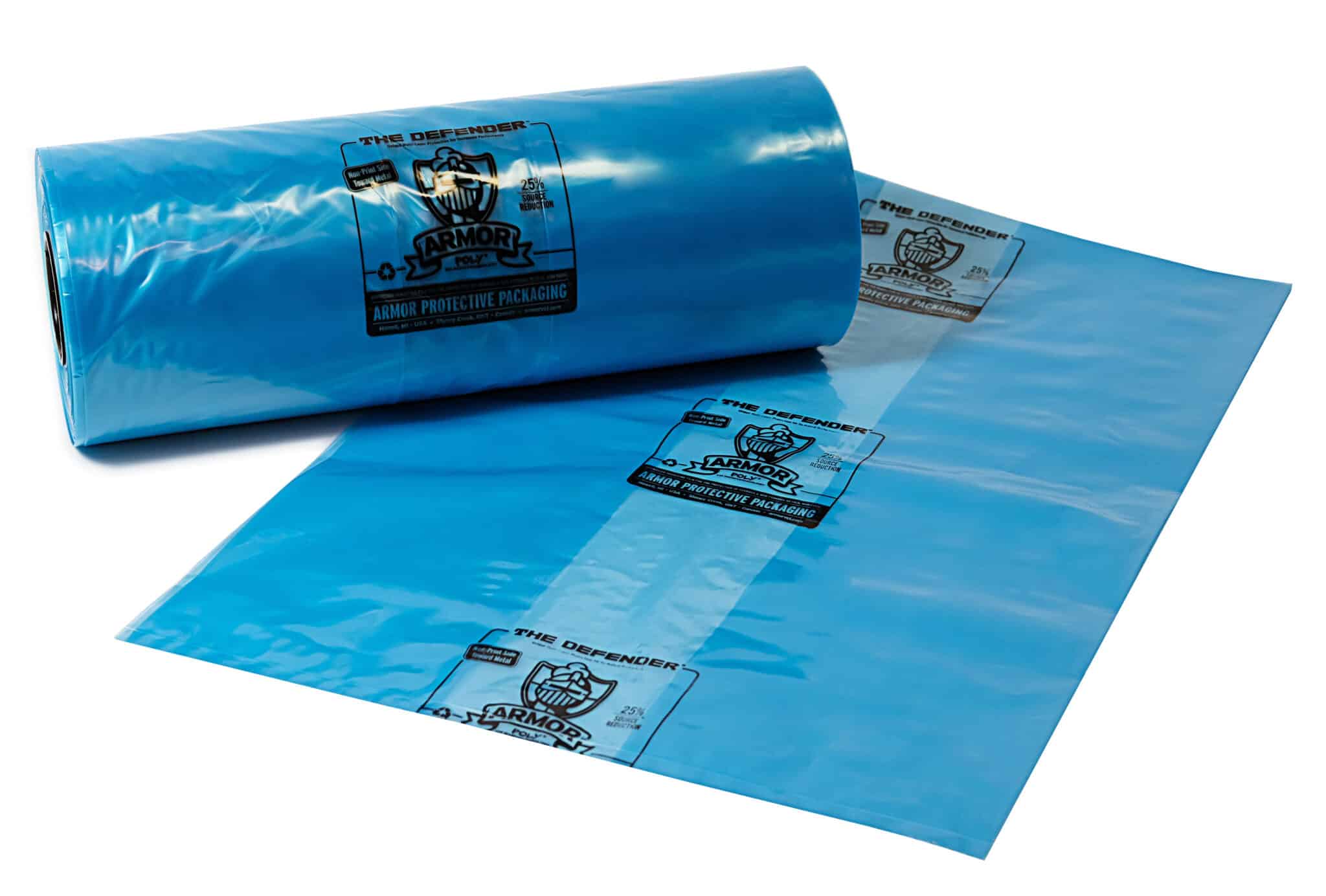
Time is of the essence! Don’t wait for rust to take hold. When you wrap or enclose a metal part in an ARMOR VCI product, you’re taking proactive steps to protect your investment from the start. ARMOR’s vapor corrosion inhibitor (VCI) technology releases corrosion-inhibiting vapors that cling to metal surfaces, forming an invisible, nanothin layer of protection that repels water, moisture, and other contaminants that cause corrosion.
Simple, clean, and easy to apply, VCI works at the molecular level to stop corrosion before it starts. VCI won’t remove existing rust, so wrapping parts quickly is key. During in-process stages such as machining, drilling, or packaging staging, exposed bins, boxes, and racks are vulnerable to humidity fluctuations and contamination (hello, chloride!). Shield your metal components early with VCI poly or paper to prevent corrosion reliably and cost-effectively.

2. Avoid Direct Contact: Don’t Place Metals on Cardboard or Wood Pallets
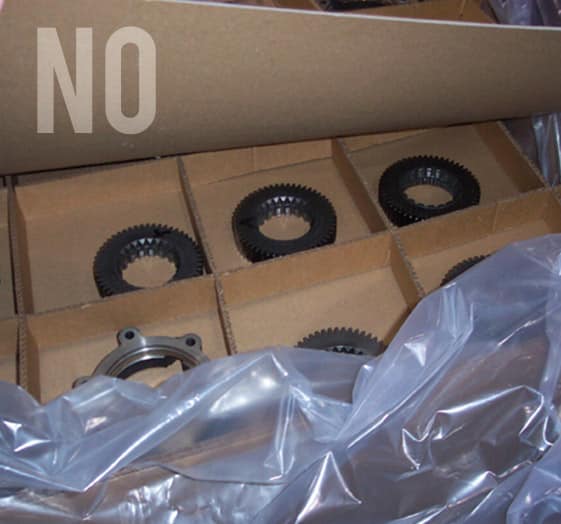
Did you know that all forestry-based products (wood, paper, corrugated) contain moisture, acids, and chlorides that can trigger corrosion? Direct contact can result in “contact corrosion,” leading to rust on parts that touch these materials. The damage can be unpredictable; some parts may rust while others do not. The simple solution is to use a rust-prevention product, such as VCI poly or paper, to line your boxes, pallets, and crates to create an effective barrier.
3. Control Moisture: Use Desiccants for Extra Protection
Complement your VCI packaging with moisture absorbents, such as our desiccant and Smarty Paks. These moisture-absorbing heroes, such as silica gel or activated clay, work wonders by reducing humidity and preventing rust. Pairing them with VCI packaging will enhance the protective barrier and keep your metals safe during the summer shutdown.
4. Prevent Contamination: Change Coolants and Metalworking Fluids After Shutdown
Upon returning from a summer shutdown, one of the smartest moves you can make is to refresh your coolants, rust-inhibiting liquids, and other metalworking fluids. Why? Because dirty liquids are a leading cause of corrosion and rust! While a complete swap might not always be required, it’s crucial to properly titrate baths and fluids.
Maintain optimal pH levels based on the type of metal parts you’re working with. For ferrous components, aim for a pH of at least 9.0. If you’re handling non-ferrous metals such as copper, brass, or bronze, strive for a pH of 7.0 to 7.5. Be sure to consult your fluid suppliers for guidance on proper use and titration adjustments per their specifications. This small step can make a big difference in protecting your assets.
5. Ensure Consistency: Train Your Team to Protect Metal Parts During Shutdowns
Awareness is key! Proper metal protection doesn’t happen by chance. It happens when your team knows exactly what to do and why it matters. Make sure your staff understands the importance of protecting metal parts during plant shutdowns and is trained in best practices for handling, storing, and packaging components.
Missed steps, rushed handling, or even brief exposure of parts can undo all your hard work in preventing corrosion. That’s why training isn’t just a “nice-to-have”; it is critical.
Taking the time to educate your team helps reduce variability on the floor, prevents costly mistakes, and ensures every part is protected the same way, every time. From properly wrapping parts to controlling exposure to moisture and contaminants, small actions make a big difference in preventing corrosion. By reinforcing these practices through training and clear processes, you create a culture of accountability that keeps rust from becoming a shutdown surprise.
And you don’t have to do it alone. ARMOR offers a variety of educational resources to help support your team, including our Cost of Rust insights and Arrusted Development video series. If you’re looking for additional guidance, our Customer Care team is always here to help with training tools, product recommendations, and best practices tailored to your process. They can be reached at [email protected] or 1-800-365-1117.